
Home Design Makeover: Renovate Rooms for Clients on a Budget
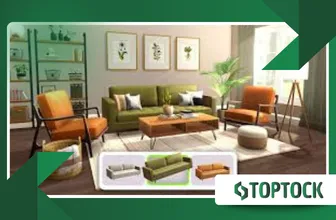
Home Design Makeover serves as a premier digital sandbox where players master the delicate art of balancing high-end aesthetic aspirations with strict, realistic client budgetary constraints.
Anúncios
Summary
- The 2026 evolution of mobile simulation.
- Psychology behind virtual budget management.
- Real-world trends in a digital landscape.
- Strategic currency efficiency and “edutainment.”
- Why realism is the new gaming standard.
What is the true appeal of Home Design Makeover in 2026?
Modern simulation enthusiasts are moving past the era of mere “pretty pixels.” There is a growing hunger for the friction found in professional life—managing stubborn expectations while navigating resource scarcity in a hyper-competitive digital environment.
By merging creative freedom with financial obstacles, the experience forces you to think like an entrepreneur. Every furniture choice must justify its cost against the final project’s value. It is less about decorating and more about survival.
The 2026 update introduced advanced haptic feedback and hyper-realistic lighting. This makes the renovation process feel surprisingly tactile. It’s a rewarding shift for veterans who value sensory immersion over arcade-style mechanics.
Architectural accuracy has reached a point where you must experiment with structural changes that mirror real engineering. It adds a sophisticated, almost invisible educational layer to the entertainment that feels earned, not forced.
Anúncios
There is a specific, quiet satisfaction in transforming a dilapidated wreck into a sanctuary. It proves that strategic planning often outweighs a massive budget when creating a cohesive vision for a living space.
How does the budget mechanic influence creative choices?
The core loop of the experience revolves around a hard truth: you must fix the bones before buying the jewelry. It’s an authentic reflection of professional interior design struggles that many casual games ignore.
Allocating funds requires a deep understanding of value engineering. You have to identify which “splurge” items will actually move the needle on a client’s satisfaction rating without draining your virtual bank account prematurely.
This financial tension keeps the gameplay from drifting into a mindless decorating spree. It forces a certain level of research into styles that offer high visual impact for low virtual cost, rewarding the clever over the wealthy.
Smart players are gravitating toward multi-functional furniture. This mirrors the 2026 global shift toward minimalist, efficient living in urban centers like New York or Tokyo, where every square inch carries a premium.
The game effectively rewards the “70/20/10” budgeting rule. Spend the bulk on foundations, save a fraction for accents, and keep a sliver for those unpredictable mid-project emergencies that always seem to crawl out of the walls.
Why are simulation games shifting toward professional realism?
Casual gamers are migrating toward “edutainment.” They want transferable skills—spatial awareness, color theory, and the ability to manage a difficult personality during a high-stakes consultation phase. Pure escapism is no longer enough for the modern user.
According to industry insights from Newzoo, engagement spikes when realistic economic models are integrated. People want their digital efforts to mean something in a logical, structured world that respects the laws of economics.
By simulating deadline stress and the nuance of feedback, the game offers a low-stakes gym to practice high-stakes decision-making. It’s a playground for project management disguised as a relaxing hobby.
This transition toward realism also caters to a demographic that hates being coddled. They are rejecting the “infinite money” tropes of the past in favor of genuine, grit-teeth difficulty that provides a real sense of accomplishment.
++ Idle Supermarket Tycoon: Expand Your Store and Keep Shoppers Happy
Developers now consult regularly with architects. They ensure that the renovation sequence—from the dust of demolition to the final staging—follows a logical, industry-standard path that feels right to the trained eye.
Which design styles dominate the current gameplay meta?
Biophilic design and “Sustainable Luxury” are the heavy hitters in 2026. Players are increasingly choosing virtual materials that reflect eco-conscious sensibilities and a raw, almost primitive connection to the natural world.
Read more: Papa’s Freezeria To Go!: Run Your Own Ice Cream Shop with Crazy Orders
The “Japandi” aesthetic remains a powerhouse because it works. It offers a balance of Japanese minimalism and Scandinavian function that fits the game’s budget-conscious framework like a glove, providing elegance without excessive “clutter” costs.
Top Design Trends in 2026 Simulations
| Trend Name | Core Elements | Budget Impact | Popularity |
| Biophilic | Live Walls, Natural Light | Moderate | High |
| Maximalism | Bold Patterns, Thrift Finds | Low | Medium |
| Industrial | Raw Concrete, Pipes | High | Medium |
| Smart Minimal | Hidden Tech, Sleek Lines | Very High | High |
Winning isn’t just about personal taste; it’s about decoding the client’s personality profile. A mismatched design leads to poor rewards and stalls your progress through the more prestigious career tiers that everyone is chasing.
What are the best strategies for managing client expectations?
Success requires reading between the lines of a brief. You have to separate a client’s “must-have” needs from their “nice-to-have” whims before the first sledgehammer swings and the budget starts to evaporate.
Effective communication involves presenting mood boards that respect the requested palette while subtly steering the client toward cost-effective alternatives for expensive primary materials. It’s a delicate dance of ego and economics.
The “Under-Promise and Over-Deliver” philosophy is the only way to consistently earn high ratings. This unlocks the exclusive catalogs and high-paying contracts in the most sought-after virtual zip codes on the map.
++ Sensor Tower Report 2026: Mobile Game Downloads Hit New Global Record
Monitoring the satisfaction meter in real-time allows for those desperate mid-project pivots. It ensures the final reveal actually lands with the impact you planned during the initial, often chaotic, consultation.

When should players invest in high-end virtual tools?
Early progression is usually throttled by basic gear. Reinvesting initial profits into 3D scanners and faster demolition machinery is the quickest way to increase your project turnover and margins in the long run.
Upgrading your toolkit allows for pixel-perfect object placement and superior texture mapping. These technical improvements correlate directly to the aesthetic score you receive at the project’s end, impacting your overall ranking.
Patience is a virtue here. Complete at least ten residential projects before touching the commercial sector. The overhead for larger spaces is famously unforgiving to the unprepared or the overly ambitious.
Seasoned designers keep a “slush fund” for random events. Discovering faulty wiring or ancient plumbing behind a wall can tank a budget if you haven’t prepared for the messy reality of renovation.
Mastering this environment is a journey of constant recalibration. It demands a blend of artistic ego and fiscal coldness that mirrors the real-world design industry’s inherent contradictions and occasional frustrations.
By prioritizing authentic materials and client-centric solutions, you build a portfolio that serves as a testament to your ingenuity. Vision is nothing without the discipline to execute it under pressure.
As tech evolves, the line between gaming and professional practice continues to blur. This provides a vital platform for the next generation of designers to fail fast and learn faster in a safe environment.
The true reward isn’t the “after” photo. It is the realization that you created something beautiful while navigating the messy, frustrating, and often expensive reality of a finite budget.
For more on the intersection of interactive entertainment and digital architecture, check the ESA (Entertainment Software Association) for the latest industry data.
FAQ
Can I play Home Design Makeover offline?
Most core renovation features are available offline, though participating in global design challenges and updating the furniture catalog usually requires a stable 2026-standard connection.
How do I earn more in-game currency without spending real money?
Focus on high-satisfaction ratings and daily “Quick Fix” challenges. Consistent performance in the residential sector builds a reputation that naturally leads to higher-paying commercial contracts.
Is the game suitable for aspiring professional designers?
While it is a simulation, the principles of color theory, spatial planning, and budget management provide an excellent foundation for understanding the logistics of the interior design industry.
What is the “Mystery Box” feature?
These are limited-time events where you receive a random set of materials and a strict budget, forcing you to use furniture pieces you might otherwise ignore.
++ Designville: Merge & Design
Popular Now