
Idle Police Tycoon: Manage a Police Station and Keep the City Safe

Idle Police Tycoon isn’t just another clicker; it’s a surprisingly sharp look at the logistical headaches of urban security and resource management within a digital landscape.
Anúncios
Summary
- Navigating the friction between budget and public safety.
- Why desk upgrades matter as much as patrol cars.
- A breakdown of departmental ROI and staffing costs.
- The 2026 shift toward dynamic, data-driven crime waves.
- Tactical advice for knowing when to burn it all down and restart.
What is the Core Gameplay of Idle Police Tycoon?
The game forces you to inhabit the role of a bureaucratic architect, starting with a skeleton crew and a leaky roof.
You aren’t just catching “bad guys”; you are building a system capable of sustaining order while your city grows increasingly chaotic around you.
Managing a precinct requires a constant internal monologue about trade-offs. Should you buy a new patrol car or invest in a forensic microscope?
These decisions dictate your workflow, turning a simple simulation into a high-stakes puzzle of time and human capital.
Anúncios
By 2026, the simulation has shed its static roots. Recent updates introduced shifting crime densities that mirror real-world urban volatility. It’s no longer enough to set it and forget it; you have to actively pivot your strategy to keep the peace.
How Does Resource Allocation Affect City Safety?
Money in this game is a finite fuel for a machine that never stops. If you over-invest in specialized units while ignoring the intake desk, you’ll find your station paralyzed by paperwork. It’s a frustratingly realistic bottleneck that many players overlook.
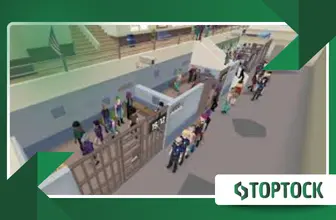
Jail cells act as the ultimate physical constraint on your success. When cells reach capacity, the system breaks—criminals walk free, and your safety rating plummets.
It’s a stark reminder that even the best police force is useless without the infrastructure to back it up.
Don’t ignore the “soft” upgrades like locker rooms or break areas. While they don’t catch thieves, they prevent your staff from burning out. In the long run, a motivated officer is a much more efficient asset than a disgruntled one working with better equipment.
Editorial Note: There is a subtle psychology at play here regarding workforce motivation.
To explore how these dynamics function in real-world organizations, theAmerican Psychological Associationoffers deep dives into the science of professional productivity.
Which Upgrades Should You Prioritize First?
Early on, quantity is your best friend. You need boots on the ground to generate the cash flow required for more sophisticated toys.
A swarm of basic patrol officers is almost always more profitable than a single, high-tech detective bureau in the first hour of play.
Once the revenue stabilizes, the game shifts from a sprint to a marathon. This is where the research department becomes your most valuable asset.
++ Cooking Simulator Mobile: Prepare and Serve Dishes in a Pro Kitchen
Unlocking permanent efficiency buffs is the only way to stay ahead of the escalating difficulty curve in later stages.
Department Efficiency Metrics (2026 Performance Data)
| Department Type | Revenue Multiplier | Process Time (Min) | Capacity Limits |
| Patrol Division | 1.2x | 2.5 | 12 Officers |
| Detective Bureau | 2.5x | 6.0 | 5 Agents |
| Forensic Lab | 4.0x | 10.0 | 3 Scientists |
| SWAT Teams | 5.5x | 15.0 | 2 Squads |
Why is Strategic Staffing Essential for Success?
Hiring is where many players lose their edge by treating staff as interchangeable icons. Each officer brings specific traits to the table; putting a high-speed pursuit specialist behind a desk in the evidence room is a textbook waste of potential.
True mastery involves auditing your staff regularly to ensure they are in their “flow state.” If the efficiency bar in a specific department is lagging, it’s usually a sign of a talent mismatch rather than a lack of equipment.
Expansion adds layers of complexity that require a more nuanced recruitment strategy. As you move into tougher neighborhoods, the margin for error shrinks.
Read more: Papa’s Freezeria To Go!: Run Your Own Ice Cream Shop with Crazy Orders
You need a balanced roster that can handle everything from petty theft to organized smuggling operations.
When Should You Expand to New City Districts?
The “Prestige” mechanic is the most misunderstood part of the journey. Many players cling to their first station far too long, fearing the loss of progress.
In reality, the reset is where the real power lies, granting multipliers that make your previous growth look glacial.
Timing the move is an art. If you jump too early, you’ll lack the capital to survive the initial drought.
The sweet spot usually appears once you’ve secured at least three major research milestones, providing a safety net for your new venture.
++ Stumble Guys: Battle Royale Chaos Wrapped in Whimsical Action
Each new district is a fresh puzzle with its own unique set of rules. Moving from a suburban precinct to a maritime port requires a total rethink of your departmental priorities.
This constant need for adaptation is what keeps the loop from becoming stale.
Final Reflections
Building a powerhouse in this simulation is a lesson in patience and calculated risk. Success isn’t found in a single upgrade, but in the harmony between a dozen different moving parts. It’s about creating a machine that functions perfectly even when you aren’t watching.
The satisfaction comes from seeing a once-cluttered station run like a Swiss watch. If you can handle the pressure of the initial grind, you’ll find one of the most rewarding management experiences available today. It’s an exercise in order, and there’s something deeply satisfying about that.
To stay updated on how simulation mechanics continue to evolve alongside mobile hardware, Business Insider provides excellent coverage of the broader gaming industry’s trajectory.
FAQ
Is it actually possible to play without spending money?
Absolutely. While purchases speed things up, the game is balanced enough that a patient player can unlock everything through smart time management and prestige resets.
What happens if my reputation hits zero?
Your growth stalls, and you’ll find it much harder to secure the funding needed for high-end upgrades. It’s a hole that is difficult—but not impossible—to climb out of.
Do officers level up over time?
They don’t gain individual XP, but your department-wide upgrades act as a collective “level up” for everyone under your command.
Is there an endgame?
The game is designed to be infinite, with new districts and seasonal events providing fresh challenges long after you’ve mastered the basic mechanics.
Why are my detectives so slow?
Detective work has the highest processing time in the game. If they seem stuck, check your forensic lab capacity; they often wait on lab results before they can close a case.
++ Idle Police Tycoon – 2 – “Lots of Divisions”
Popular Now