
Gas Station Simulator: Run a Station and Upgrade for Roadside Success
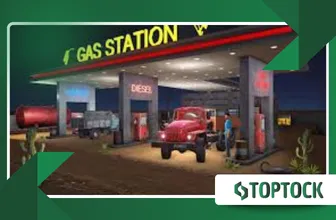
Mastering the digital restoration of a dilapidated fuel outpost requires much more than quick clicks; it demands the strategic finesse that defines Gas Station Simulator.
Anúncios
At the heart of this experience, the player transforms desert wreckage into pulsing logistical hubs, balancing immediate mechanical repairs with aggressive financial scalability within the saturated market of tycoon simulators.
Table of Contents
- The Anatomy of the Gameplay Loop
- Resource Management: The Threshold of Profit
- Upgrade Paths and Scalability
- Comparative Performance Metrics
- Frequently Asked Questions
How does Gas Station Simulator redefine management mechanics?
While many simulators get lost in hollow automation, this title prioritizes granular control.
There is something almost hypnotic about the mundane beauty of manual labor here: physics-based interactions demand real precision, whether handling a fuel hose or meticulously organizing shop shelves.
Efficiency is a precariously balanced plate. If you ignore cleaning to focus solely on refueling, you will see customer satisfaction plummet in a ripple effect that mimics the brutal pressure of the actual service industry. It is not just about managing numbers; it is about managing chaos.
Anúncios
The algorithms governing customers are remarkably dynamic. Patrons react visually to the state of your establishment, elevating the experience beyond a simple “click and wait” game.
It is, in essence, a genuine exercise in logistics and environmental perception.
Why is resource management the divider between success and failure?
Maintaining financial solvency is the first major filter for those attempting to conquer the desert.
Every gallon of fuel purchased at wholesale prices represents a calculated gamble against market fluctuations and fixed operating costs that never stop rising.
The introduction of employees brings a layer of complexity that many underestimate.
Delegating repetitive tasks is vital for growth, but a poorly managed payroll drains your reserves faster than a faulty fuel pump. It is a zero-sum game where operational freedom comes at a high price.
Proactive maintenance is the golden rule. Ignoring equipment wear and tear leads to costly downtime that drives away elite clientele.
The cost of a preventive repair is always lower than the loss from a decommissioned pump during peak hours—a lesson that echoes the U.S. Small Business Administration guidelines on operational resilience.
What are the essential upgrades to maximize revenue?
Expanding a single pump into a multi-service complex requires heavy capital injections.
Unlocking the mechanic shop should be your absolute priority; it opens a highly lucrative secondary profit stream through the sale of parts and specialized services that far exceed fuel margins.
Increasing warehouse capacity allows you to play the market, stockpiling goods when prices drop. This strategic reserve ensures consistent profit margins even when suppliers try to stifle your cash flow in the later stages of the simulation.
Aesthetic improvements are not just vanity. They act as a magnet for “VIP” customers—characters who spend significantly more on premium convenience items and luxury services.
++ Truck’em All: Conquer Difficult Terrain with Cargo Challenges
In the desert, your business’s appearance dictates the type of wallet that walks through the door.
Performance in Focus: Simulation vs. Reality
Analyzing the data behind logistical success allows you to navigate the game’s complexities with an expert’s eye.
Read more: Cooking Simulator Mobile: Prepare and Serve Dishes in a Pro Kitchen
The table below reflects performance indicators observed in high-level sessions, serving as a compass for your expansion.
Logistical Performance Metrics (2026 Projection)
| Metric Category | Early Stage | Advanced Station | Impact on Growth |
| Hourly Customer Volume | 12 – 15 | 45 – 60 | High |
| Profit Margin Per Gallon | 8% – 12% | 18% – 25% | Medium |
| Staff Efficiency | 65% | 94% | Critical |
| Daily Operating Costs | $450 | $3,200 | Variable |
Facing “Technical Debt” and the Desert
Sandstorms are more than visual obstacles; they are operational risks that force activities to halt for manual cleanup.
Understanding the game’s weather cycles is fundamental to avoid being caught off guard with a buried shop and angry customers.
Automation, through cleaning drones and strategically placed trash cans, reduces the manual workload. Hygiene acts as a silent multiplier for every transaction, directly affecting tip bonuses and customer retention.
The skill tree system imposes difficult choices. Should you prioritize pump flow rate or convenience store variety?
Veterans usually focus on fuel speed first to avoid “queue jumping,” one of the biggest villains of late-game profitability.
++ Super Mario Run: Tap and Jump Through Classic Mushroom Kingdom Worlds
The internal layout should not be static. Use the blueprint system to reorganize the space, forcing customers to pass by high-margin items before reaching the register. It is retail psychology applied to a virtual environment.
Building a Sustainable Empire
Long-term viability comes from diversification. The car wash, for example, offers a passive income source that requires little intervention after a full upgrade.
It is the type of asset that keeps cash flow healthy while you deal with crises in other areas.
Visual identity differentiates your station from generic competition. Bold color schemes and iconic signage improve visibility on the main highway, converting random travelers into habitual customers.
In the emptiness of the desert, being seen is the first step to being profitable.
Advanced inventory tracking systems prevent “stock-outs” of essential items. Nothing damages a reputation more than empty shelves of motor oil or soda. Maintaining a 100% fill rate is the hallmark of those who truly master the genre.
FAQ
How can I quickly increase popularity levels?
Focus on response time. Agility at the register and the pumps, combined with a spotless floor, builds loyalty. Consistency here is worth much more than sporadic bursts of fast service.
Which expansion offers the fastest return?
The mechanic shop. Service fees for changing tires or oil are disproportionately higher than retail profits, making it the financial engine of your station.
Is it worth investing in employees early?
Yes, but with caution. Delegating the most tedious tasks frees you for strategic management. The increase in service volume compensates for the weight of wages, provided the station has the demand for it.
Can the debt system be ignored?
Not without serious consequences. Missions tied to “Uncle” unlock essential tools and construction permits that are prerequisites for the highest levels of expansion. It is a necessary evil for progress.
Mastery of the Asphalt
Dominating the desert requires a rare blend of manual dexterity and long-term vision. By treating every interaction as a data point for optimization, the player ceases to be a simple clerk and becomes a logistical architect.
The evolution of the business model must be constant. Success is not a static state, but a process of continuous refinement in the face of changing traffic patterns and structural wear.
For those seeking a deep understanding of the real infrastructures that inspire the game, analyses from the U.S. Department of Transportation offer valuable context.
++ Getting Rich By Any Means Necessary – Roadside Research Gas Station Simulator
Popular Now