
Job Simulator VR (mobile clone): Experience Hilarious Work-Life Tasks
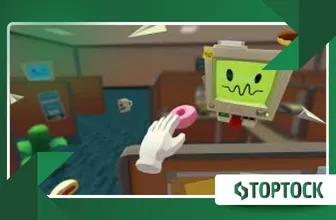
Exploring the chaotic mechanics of Job Simulator VR on mobile platforms reveals how hardware optimization has finally bridged the gap between high-end headsets and portable gaming.
Anúncios
This shift isn’t just about technical specs; it’s about the democratization of a medium once locked behind expensive hardware.
Table of Contents
- Redefining the Mobile VR Simulation Landscape
- The Tactile Chaos of Portable Workspaces
- Hardware Reality: What Your Phone Actually Needs
- Performance Benchmarks and Stability
- The Future of Digital Labor Simulations
What is the Job Simulator VR Mobile Experience?
The mobile adaptation of Job Simulator VR recreates a satirical world where robots attempt to simulate mundane human professions from a misunderstood historical perspective. It focuses heavily on tactile interaction.
Developers utilize specialized APIs to ensure physics-driven gameplay remains fluid on mobile processors.
This allows users to juggle coffee mugs and throw staplers without experiencing the jittery frame drops that often plague unoptimized ports.
Anúncios
Modern mobile versions leverage advanced computer vision, mimicking the 6DOF (Six Degrees of Freedom) experience once exclusive to PC-tethered units like the Valve Index or Meta Quest. It feels surprisingly intuitive.
These iterations on smartphones rely heavily on gyroscope precision. This ensures every hand movement translates accurately into the virtual office, though there is something inherently surreal about “working” on your phone while commuting to a real job.
How Does Physics Interaction Work on Mobile?
Physics engines for mobile simulation must balance complexity with thermal efficiency.
The software calculates collision boxes for hundreds of objects, allowing players to stack items or cook virtual meals with a convincing sense of weight.
In Job Simulator VR, the “JobBot” guide directs your progress. The mobile code prioritizes immediate haptic feedback, giving users a physical vibration when they grab objects or press digital buttons, which grounds the virtual experience.
Touchscreen controls often supplement motion tracking in these versions. You might use dual on-screen joysticks to navigate a cubicle while physically tilting your phone to aim your reach toward a virtual printer or a trash can.
Optimization techniques like frustum culling ensure the processor only renders what is currently in your field of view.
++ Idle Mining Empire: Dig Deep, Hire Miners, and Get Rich Slowly
This keeps the experience snappy, preventing the lag that typically ruins immersion in mobile headsets during intense action.
Why is Simulation Gaming Dominating the Mobile Market?
Users increasingly crave bite-sized sessions of “chaos gaming.” The ability to cause workplace destruction in five-minute bursts fits perfectly into the fragmented, high-speed lifestyle of modern mobile gamers who need a quick mental reset.
Accessibility remains the primary driver. Since most consumers already own powerful smartphones, the barrier to entry has vanished.
This invites millions into the metaverse without requiring a thousand-dollar investment in niche gaming equipment.
Social sharing features integrated into mobile operating systems allow players to record hilarious physics glitches instantly.
Read more: Gas Station Simulator: Run a Station and Upgrade for Roadside Success
These viral moments act as organic marketing, pushing simulation titles to the top of the App Store charts through sheer absurdity.
Psychologically, these games offer a safe outlet for workplace frustrations. Tossing a virtual boss’s computer out a window provides a cathartic release that traditional high-score shooters or puzzle games simply cannot replicate with the same humor.
Comparison: PC VR vs. Mobile Simulation Clones
| Feature | Original PC/Console VR | Mobile Simulation Clones |
| Tracking System | 6DOF (Six Degrees of Freedom) with external sensors or inside-out cameras. | Hybrid 6DOF via computer vision or 3DOF using internal gyroscopes. |
| Physics Complexity | High-fidelity; allows for complex object stacking and fluid dynamics. | Optimized; simplified collision boxes to maintain thermal efficiency. |
| Interaction Method | Dedicated motion controllers with haptic triggers. | Virtual on-screen joysticks combined with phone tilt/motion. |
| Visual Quality | High-poly models with real-time shadows and ray-tracing support. | Stylized, low-poly aesthetics designed for high FPS on mobile GPUs. |
| Hardware Barrier | High ($500+ for headset plus a powerful PC/PS5). | Extremely Low (Accessible on most modern smartphones). |
| Mobility | Tethered or limited to a specific room-scale area. | Fully portable; playable on planes, trains, or during breaks. |
| Input Latency | Near-zero (essential for preventing motion sickness). | Dependent on device processor; usually 15-20ms on flagship phones. |
| Game Session Length | Long-form, immersive sessions (1-2 hours). | Bite-sized, “chaos-gaming” bursts (5-15 minutes). |
| Social Integration | Limited to platform-specific streaming (Steam/PSN). | Seamless; instant recording and sharing to social media apps. |
What Are the Most Popular Professions to Simulate?
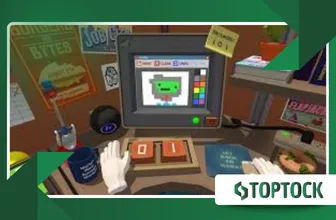
The “Office Worker” remains a fan favorite because it parodies the universal experience of corporate life. Players enjoy the irony of performing digital tasks that resemble their actual daily professional routines but with much lower stakes.
“Gourmet Chef” levels challenge your dexterity under pressure. You must juggle multiple orders while the physics engine makes every tomato slice and frying pan interaction feel weighted, though it often ends in a virtual fire.
“Store Clerk” stages introduce unpredictable AI customers who disrupt your workflow. Managing a virtual convenience store requires quick reflexes and a sense of humor when the simulation inevitably descends into total, unmanaged madness.
++ Bouncemasters!: Launch a Penguin Across Ice and Sky to Break Records
“Auto Mechanic” tasks provide a technical spin on the formula. You learn to swap engines and change tires using simplified gestures that reward precision. It is surprisingly meditative compared to the frantic nature of the kitchen levels.
When Should You Play VR Simulations on Mobile?
Portable VR is ideal for travel, turning a cramped airplane seat into a spacious virtual kitchen. Just ensure you have enough physical clearance to avoid hitting real-world passengers during your more enthusiastic virtual maneuvers.
Short breaks during work offer the perfect window for a quick level. A few minutes of virtual stapler-tossing can reset your focus and provide a much-needed laugh during an otherwise monotonous afternoon of actual spreadsheets.
Evening relaxation often involves diving into these low-stakes environments. Unlike competitive multiplayer games, they don’t require high-intensity focus, making them excellent tools for unwinding before bed without the stress of a leaderboard.
Gatherings with friends provide another great opportunity. Passing the headset around to see who can cause the most office damage creates a social atmosphere that highlights the inherent comedy of physics-based digital destruction.
The evolution of simulation into the mobile sphere demonstrates a massive leap in how we consume interactive media.
By prioritizing fun physics and relatable humor over hyper-realism, developers have created a genre that remains endlessly replayable regardless of the platform.
As mobile hardware moves toward 2027, the line between “mobile” and “premium” VR continues to blur.
Whether you are a seasoned enthusiast or a curious newcomer, the world of virtual work offers a uniquely entertaining escape from the real thing.
For more technical insights on mobile gaming performance and hardware limits, check the latest benchmarks on AnTuTu.
FAQ
Can I play these simulations without a headset?
Many mobile versions offer a “flat” mode using touch controls. However, for the full immersive experience, a basic mobile VR viewer or cardboard peripheral is recommended to truly feel the scale of the environment.
Is my phone too old for high-end VR simulations?
Devices older than three years may struggle with complex physics. If your phone gets excessively hot or frames drop below 30 FPS, it is best to lower the graphical settings to protect your hardware.
Do mobile VR games drain the battery quickly?
Yes, rendering 3D environments at high refresh rates is resource-intensive. It is wise to play with a full charge or keep a power bank nearby to ensure your virtual shift isn’t cut short.
Are there safety concerns with mobile VR?
Always establish a “clear zone” before playing. Since these games encourage physical movement, being mindful of your real-world surroundings is essential for preventing accidents or broken household items during gameplay.
How do I fix tracking issues in the game?
Calibrate your phone’s sensors in a well-lit room. Avoid playing near large metal objects or electronic interference, as these can confuse the internal gyroscope and lead to annoying “drifting” in the virtual world.
++ Job Simulator Vive Launch Trailer
++ Job Simulator: The 2050 Archives
Popular Now