
My Supermarket Simulator: Manage Inventory and Grow a Successful Retail Business
Running a virtual retail empire demands far more than casually scanning groceries at a checkout counter.
Anúncios
Players jumping into My Supermarket Simulator quickly discover that behind every sleek store floor lies a web of supplier contracts, shifting profit margins, and demanding customer queues.
Turning a modest corner shop into a bustling commercial hub requires a sharp strategic eye and real-time operational agility.
Navigating the game’s mechanics efficiently can mean the difference between steady financial growth and rapid bankruptcy. Success relies on balancing product variety, pricing strategies, and workflow automation.
Key Takeaways
- Master Inventory Control: Learn how stock rotation, price elasticity, and shelf placement directly impact daily profit margins.
- Optimize Store Layout: Strategic aisle organization prevents bottlenecks, keeps customer queues moving, and boosts high-margin sales.
- Scale Operations Efficiently: Hiring cashiers, expanding floor space, and reinvesting capital require precise financial timing.
- Apply Real Retail Logic: Core mechanics in-game closely reflect actual supply chain dynamics and consumer psychology.
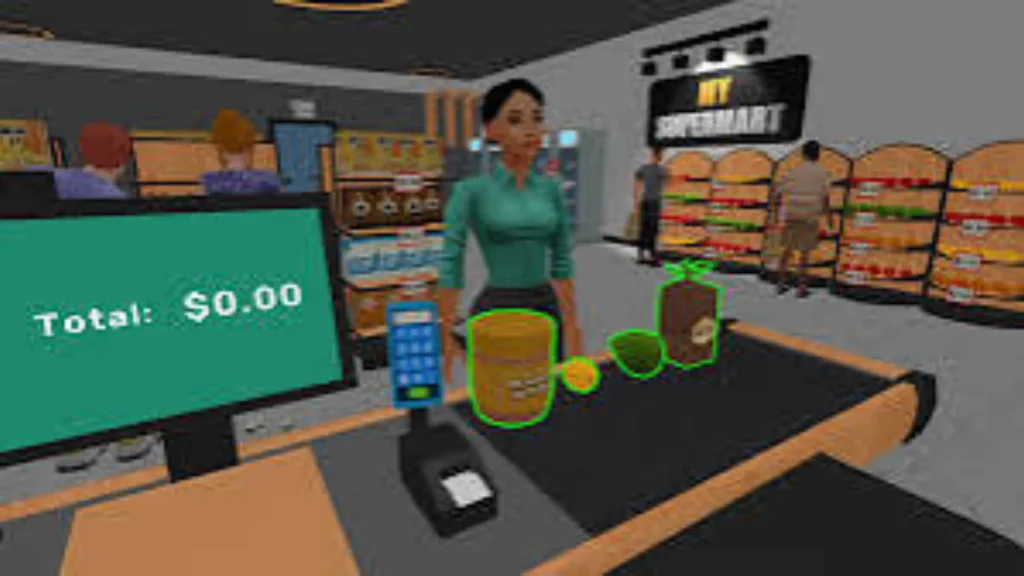
What Is My Supermarket Simulator and How Does the Core Loop Work?
At its core, My Supermarket Simulator presents a realistic 3D management experience where players handle every aspect of operating a grocery business.
Anúncios
You start as a solo operator responsible for manually ordering boxes, stocking shelves, setting price tags, and ringing up shoppers.
Every dollar earned goes toward unlocking higher-tier goods, hiring help, and expanding physical square footage.
The game thrives on a continuous feedback loop that tests your ability to prioritize tasks under time pressure.
Satisfied shoppers pay promptly and leave positive store ratings, which in turn increases foot traffic for the following day.
Conversely, long checkout wait times, empty shelves, or overpriced items drive customers away instantly.
Mastering this environment requires moving beyond basic survival and adopting structured managerial habits.
Treating your virtual shop like a living business ecosystem allows you to spot inefficiencies before they drain your bank account.
How Do You Master Inventory Management to Maximize Daily Profits?
Inventory represents both your largest operational expense and your primary source of revenue.
Ordering too much stock ties up essential cash flow in storage room boxes, while ordering too little leads to stockouts and lost revenue. Balancing supply with daily demand requires daily tracking of buyer trends.
Smart managers establish restocking routines before opening the doors each morning.
Unpacking shipments and filling empty displays prior to peak hours ensures your store operates smoothly once shoppers arrive.
Observing how real-world enterprises streamline logistics—such as the principles detailed in the U.S. Small Business Administration guide on inventory management—provides a strong mental framework for controlling erhead and waste in simulation games.
Pricing requires constant fine-tuning based on market sensitivity. Charging slightly above market rate yields strong profit margins on essential goods like milk or bread, but extreme markups provoke customer complaints.
Experimenting with small price increments allows you to locate the exact threshold where profit per unit matches sales volume.
Pro Tip: Keep high-turnover products near the storage entrance. Minimizing the physical distance your character or staff travels to restock popular items saves precious minutes during rush hours.
Which Layout Strategies Turn Casual Shoppers into High-Spenders?
Store layout plays an influential role in driving foot traffic flow and total register ring-outs.
Placing high-demand staples at the back of the store forces shoppers to walk past specialty goods, increasing the likelihood of unplanned impulse buys.
Clear, wide pathways prevent customer pathfinding glitches and keep foot traffic moving smoothly.
Group complementary items together to build logical shopping zones. Placing breakfast cereals near dairy coolers or pairing cleaning supplies in a dedicated aisle improves the overall shopping experience.
Organized shelves not only make restocking faster but also keep shoppers satisfied as they locate items effortlessly.
Checkout placement demands equal planning. Placing registers too close to entryways creates massive crowding near the front doors during peak hours.
++ Goat Simulator: Wreak Havoc in the Most Absurd Simulation Ever
Positioning registers with ample queue space guarantees that long lines will not block incoming shoppers from reaching the aisles.
Comparative Overview: Retail Management Metrics in Simulation
Understanding how different product categories contribute to your overall store performance is vital for long-term planning.
Read more: Wuthering Waves Patch Notes Reveal Gameplay Improvements
The table below outlines key operational characteristics across common product tiers:
| Product Tier | Average Profit Margin | Restock Frequency | Storage Space Required | Customer Demand Level |
| Basic Produce & Dairy | Low to Moderate (10% – 20%) | Very High | Medium | Constant |
| Pantry Staples & Canned Goods | Moderate (20% – 35%) | Moderate | High | Steady |
| Frozen Foods & Meats | High (35% – 50%) | Moderate | High (Requires Coolers) | Moderate to High |
| Specialty & Imported Goods | Very High (50%+) | Low | Low | Niche / Selective |

How Should You Approach Financial Expansion and Staff Delegation?
Scaling your enterprise too quickly remains the single biggest trap for growing store managers.
++ Goods Sort Organization Tricks That Save Every Move
Taking out massive bank loans to unlock premium store expansions before securing steady daily revenue creates overwhelming interest payments.
Reinvest organic daily profits into high-margin inventory licenses before adding expensive floor space.
Once your daily order volume grows beyond single-player capacity, hiring staff becomes non-negotiable.
Dedicated cashiers free up your schedule, allowing you to focus on purchasing strategies, price adjustments, and shelf organization.
Training and maintaining dependable labor transformed early industrial commerce, a concept frequently examined in Harvard Business Review studies on operational efficiency.
Delegating stockers to handle floor replenishment creates a self-sustaining retail cycle.
Monitor your daily payroll costs against net revenue to confirm that automated labor actively increases total output rather than eroding baseline profits.
Frequently Asked Questions
How do I stop customers from complaining about high prices in My Supermarket Simulator?
Check the market baseline price on your ordering tablet regularly. Setting prices roughly 5% to 10% above the market average generally keeps customer satisfaction high while securing healthy profit margins.
When is the best time to hire my first cashier?
Hire your first cashier when long register lines prevent you from keeping shelves stocked during peak operating hours.
Delegating checkout tasks allows you to maintain optimal inventory levels and expand product offerings uninterrupted.
What should I prioritize expanding first: store space or product licenses?
Prioritize unlocking new product licenses first. Offering a broader range of high-margin items inside your existing layout generates the steady capital required to pay for larger physical floor space down the road.
++ Supermarket Simulator – Tips & Tricks
++ My Supermarket Simulator 3D
Popular Now