No toques la baldosa blanca: toca al ritmo sin cometer ni un solo error.
No golpees la baldosa blanca. Es una clase magistral de diseño minimalista que demuestra que no se necesitan gráficos complejos para crear una experiencia de juego trepidante y adictiva.
Anuncios
Como veterano del género arcade, he visto muchos títulos ir y venir, pero este sigue siendo un elemento fijo en mi pantalla de inicio.
Resumen
- El atractivo intrínseco de la mecánica rítmica minimalista.
- Dominar el agarre físico para un rendimiento óptimo.
- Analizando la lógica detrás del auge de las salas de juegos recreativos.
- Trampas mentales comunes que llevan a errores al colocar las baldosas.
- Cómo el juego redefinió el panorama de los juegos arcade para móviles.
¿Qué es Don't Tap the White Tile y por qué es tan adictivo?
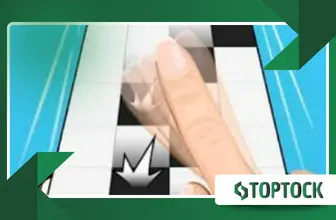
El bucle central de No golpees la baldosa blanca. Es sencillo: ves una casilla negra, la tocas y evitas la blanca.
Esta simplicidad es precisamente lo que la hace tan peligrosa para tu tiempo libre, ya que cada fracaso se siente como un desafío personal.
Cuando empecé a jugar, la respuesta inmediata de la pantalla de "fin del juego" despertó en mí un impulso competitivo que no había sentido desde los primeros tiempos de Flappy Bird.
Anuncios
Aquí no hay potenciadores ni mecánicas de pago para ganar, solo tu velocidad pura contra una cinta transportadora digital cada vez más rápida.
¿Cómo influye el ritmo en tu estrategia para conseguir una puntuación alta?
Si usted trata No golpees la baldosa blanca. Como en un juego de clics aleatorios, te toparás rápidamente con un muro alrededor de las 200 fichas. El secreto que la mayoría de los profesionales no te contarán es que el juego es, en realidad, un ejercicio de gestión del metrónomo interno.
Al encontrar un ritmo constante en tu cabeza, puedes sincronizar tus pulgares para que se muevan con un movimiento fluido, como si estuvieras bailando, en lugar de realizar una serie de toques bruscos.
Este enfoque rítmico reduce tus niveles de estrés, permitiendo que tus manos se muevan más rápido de lo que tu cerebro consciente puede procesar.
¿Por qué se pierde la concentración durante las sesiones de juego prolongadas?
El mayor enemigo en No golpees la baldosa blanca. No es la velocidad de las teclas; es el reflejo de parpadeo lo que acaba por jugarte una mala pasada. Tras unos minutos de mirada fija, tus ojos buscan de forma natural recuperar la hidratación, lo que suele provocar un clic erróneo fatal.
He descubierto que los jugadores exitosos a menudo miran "a través" de la pantalla en lugar de fijarse en las fichas individuales, empleando una técnica de enfoque suave común en las artes marciales de alto nivel.
Esto te permite percibir todo el tablero como un flujo único, lo que hace mucho más difícil que un aumento repentino de velocidad te pille desprevenido.
¿Cuándo debes cambiar de pulgares a índices?
Si bien la mayoría de los jugadores ocasionales usan los pulgares, muchos poseedores de récords juran que lo mejor es colocar el teléfono sobre una superficie plana y usar los dedos índices.
Este "estilo piano" permite una mayor amplitud de movimiento y reduce la tensión física en los músculos de las manos durante las carreras largas.
Cambiar de estilo puede resultar frustrante al principio porque hay que reaprender a orientarse espacialmente en la pantalla.
Lea aquí: Sling Drift: Domina el arte del derrape con un solo dedo.
Sin embargo, una vez que hagas la transición, probablemente notarás que la precisión de tus toques aumenta porque tus dedos ya no bloquean la vista de las siguientes fichas.
Estadísticas de rendimiento en el mundo real para jugadores avanzados
| Métrico | Nivel principiante | Intermedio | Estatus de jugador profesional |
| Pulsaciones por segundo (TPS) | 2,5 – 3,8 | 4.0 – 6.5 | 7.0+ |
| Tiempo de reacción promedio | 280 ms | 210 ms | 160 ms |
| Tasa de error (primeros 100) | 15% | 2% | 0% |
| Agarre preferido | Pulgar único | Pulgares dobles | Dedos de mesa |
| Resistencia de la sesión | 2 minutos | 10 minutos | Más de 30 minutos |
¿Qué modos de juego son los mejores para entrenar los reflejos puros?
Si quieres mejorar en juegos como League of Legends o Counter-Strike, el modo "Rush" en No golpees la baldosa blanca. Es una herramienta de calentamiento increíble.
Obliga a tu cerebro a acelerar su velocidad de procesamiento al cambiar constantemente el ritmo base del movimiento de las fichas.
A diferencia del modo "Zen", que se centra más en relajarse y entrar en un estado de fluidez, el modo "Rush" crea un entorno de alta presión que imita la intensidad de un momento decisivo en un partido.
++ Hole.io: Engulle la ciudad y compite por el dominio del tamaño.
Utilizar esto como un ejercicio diario de cinco minutos puede mejorar significativamente la precisión de tus clics y tu tiempo de respuesta visual general.
¿Cuáles son los errores más comunes que acaban con una partida?
La mayoría de los jugadores pierden una racha de No golpees la baldosa blanca. porque empiezan a "perseguir" las fichas de la parte inferior de la pantalla. Si te concentras demasiado en la parte inferior, pierdes la capacidad de planificar tus próximos tres movimientos, lo que te lleva a pulsar dos veces por pánico.
Otro error común es el síndrome del "dedo suspendido", que consiste en levantar el dedo demasiado del cristal entre cada toque.
Mantener las yemas de los dedos lo más cerca posible de la pantalla minimiza el tiempo de desplazamiento, que es la diferencia entre un nuevo récord y un error que destroce la pantalla.
Para comprender mejor los límites fisiológicos de los tiempos de reacción humanos, consulte las últimas investigaciones en Institutos Nacionales de Salud. Estos datos explican por qué algunos jugadores alcanzan un límite físico y cómo entrenar para superarlo.
¿Cómo ha evolucionado el juego para el jugador de 2026? No toques la ficha blanca.
En 2026, No golpees la baldosa blanca. Incorpora gatillos hápticos de "clic" que imitan la sensación de un teclado mecánico a través de la pantalla.
Este sistema de retroalimentación táctil facilita mucho mantenerse concentrado, ya que no dependes únicamente de tus ojos.
La comunidad también ha evolucionado hacia las carreras globales "Fantasma", donde se puede ver el progreso transparente de otro jugador en tiempo real.
Leer más: Blendoku: Lógica de bloques de color que pone a prueba tu estrategia visual.
Esto añade una capa de presión social que hace que cada toque parezca significativo, impulsando el panorama competitivo de los videojuegos arcade a cotas que nunca imaginamos hace una década.
Conclusión
En su esencia, No golpees la baldosa blanca. Es la prueba definitiva de tu serenidad bajo presión. No importa lo rápido que seas si no puedes mantener la calma cuando las baldosas empiezan a difuminarse formando una sólida pared de blanco y negro.
Si te centras en el ritmo, perfeccionas tu agarre y mantienes una concentración suave, puedes elevar tus puntuaciones a los niveles de élite.
Para profundizar en la evolución de la interfaz de usuario móvil y su impacto en la velocidad de los juegos, puede explorar los archivos en Biblioteca digital de ACM para estudios de diseño técnico.
Preguntas frecuentes
¿Cómo puedo evitar que mi pantalla se congele durante el juego rápido?
Cierra las aplicaciones que se ejecutan en segundo plano y asegúrate de que la pantalla esté limpia; incluso una pequeña cantidad de grasa de la piel puede provocar que el digitalizador no registre una pulsación durante secuencias de alta velocidad.
¿Hay algún ritmo específico que deba seguir?
La mayoría de los jugadores consiguen buenos resultados al sincronizar sus toques con un compás de 4/4, similar al de la mayoría de las canciones pop, lo que ayuda a mantener un movimiento de mano constante y predecible.
¿Por qué me dan calambres en las manos después de jugar un rato?
Los calambres suelen ser señal de que estás sujetando el teléfono con demasiada fuerza; intenta relajar las palmas de las manos y utiliza solo la fuerza necesaria para percibir el tacto.
¿Puedo personalizar los colores de las baldosas?
Si bien el modo clásico es en blanco y negro, muchas versiones modernas ofrecen temas de "alto contraste" para ayudar a los jugadores con daltonismo o a aquellos que juegan en entornos con poca luz.
Popular ahora