
Spaceteam: Caos cooperativo que requiere comunicación y reflejos rápidos.
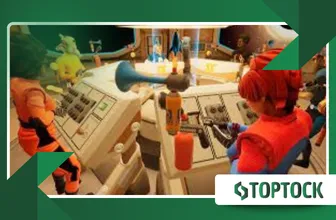
Equipo espacial Es la única experiencia digital que logra convertir con éxito una sala llena de adultos racionales en una tripulación de vuelo frenética y vociferante al borde de un colapso colectivo.
Anuncios
Mientras que la mayoría de los juegos para móviles buscan que te quedes mirando más adentro de la pantalla, este juego te obliga a levantar la vista, gritarles a tus amigos y rezar para que alguien sepa qué hace realmente un "Ventilated Reclaimer".
Resumen del viaje cósmico
- Descifrando la mecánica de alta tensión de los gritos técnicos.
- Puentes multiplataforma: Conectando diferentes dispositivos en una misma cabina.
- Comunicación táctica: Estrategias de supervivencia para el panorama de los videojuegos en 2026.
- La evolución del “caos cooperativo” como herramienta para la cohesión social.
- Preguntas frecuentes: Abordando los puntos débiles de la conectividad móvil moderna.
¿Qué es Spaceteam y por qué destaca?
El juego se define como un "simulador de gritos cooperativos", una etiqueta que resulta cada vez más acertada a medida que avanza la partida.
Entre dos y ocho jugadores manejan un panel de control surrealista: perillas, deslizadores e interruptores con nombres que suenan como diálogos descartados de Star Trek.
Las instrucciones aparecen en tu pantalla, pero rara vez están dirigidas a ti.
Anuncios
Debes transmitir estas órdenes a toda la sala mientras, simultáneamente, observas tu propio panel para escuchar las instrucciones que gritan tus compañeros. Es una auténtica explosión de estímulos sensoriales.
Lo que distingue a este juego de los típicos juegos de fiesta es su falta de guía. No hay una historia compleja ni un tutorial tedioso; el juego simplemente te lanza a una nave agonizante y espera que descubras cómo pilotarla antes de que la estrella más cercana te engulla.
La interfaz es intencionadamente tosca, una decisión de diseño de Henry Smith que refleja el pánico ante una avería mecánica real. Captura esa adrenalina tan particular que solo se experimenta cuando las cosas se desmoronan en tiempo real.
¿Cómo fomenta la comunicación la mecánica de juego?
Aquí el éxito no depende de la habilidad individual, sino de la capacidad para procesar una avalancha verbal. Hay que aprender a ignorar el ruido irrelevante mientras se permanece hipervigilante para la orden específica que te salvará la vida.
Cuando la nave se topa con un obstáculo, el mundo físico se fusiona con el digital. Puede que te encuentres agitando el teléfono como un loco para navegar por un campo de asteroides o dándole la vuelta para recalibrar un agujero de gusano averiado.
La naturaleza procedimental de los paneles de control garantiza que la memoria muscular no te salvará. En cada nueva sesión, vuelves al punto de partida, entrecerrando los ojos para encontrar el "Nanobuzzer biselado" en medio de un mar de luces parpadeantes.
++ Marvel Contest of Champions: Superhero Brawler con combos épicos
En 2026, el atractivo sigue estando arraigado en la psicología humana básica. Tenemos un placer inherente, quizás un tanto masoquista, al resolver juntos acertijos de alto riesgo, incluso si —o especialmente si— el proceso implica algunos gritos cómicos.
¿Qué características hacen de Spaceteam un juego multijugador imprescindible?
La genialidad de la aplicación reside en su fácil acceso. Gracias a la compatibilidad multiplataforma entre iOS y Android, se elimina la incompatibilidad de teléfonos, lo que permite que cualquier grupo forme un equipo al instante.
La estabilidad se gestiona mediante Wi-Fi o Bluetooth, dando prioridad a las conexiones locales sobre los servidores remotos.
Leer más: LIMBO (móvil): Plataformas atmosféricas con terror minimalista
Esto crea un entorno de baja latencia donde cada milisegundo de un grito cuenta, haciendo que la proximidad de tus amigos forme parte del hardware.
| Característica | Descripción | Impacto en la jugabilidad |
| Multiplataforma | Compatibilidad con iOS y Android | Elimina los silos de hardware |
| Interfaz de usuario procedimental | Paneles de control generados aleatoriamente | Anula la ventaja de la memorización. |
| Juego local | Bluetooth y Wi-Fi Mesh | Garantiza una comunicación sin latencia. |
| Paquetes de expansión | Temas y desafíos diversos | Previene la fatiga mecánica a largo plazo. |
¿Por qué el caos cooperativo es un género tan popular?
Hay algo profundamente reconfortante en el estrés compartido. Si bien muchos juegos fomentan la competencia, este género utiliza la tensión para unir a las personas, creando una mentalidad de "nosotros contra el vacío" que pocos otros medios pueden imitar.
El juego elimina por completo el ego. No puedes "ganar" solo, y culpar a los demás suele conducir a una explosión más rápida. Es un curso intensivo de responsabilidad colectiva disfrazado de una caótica aventura espacial.
Para aquellos interesados en el aspecto técnico de cómo se construyen estos marcos cooperativos, The Verge Ofrece información frecuente sobre el panorama cambiante de la arquitectura de los videojuegos independientes y el diseño social.
Las actualizaciones recientes han exacerbado el caos al introducir "Slime" y otros peligros visuales.
Estas distracciones forzadas obligan a los jugadores a limpiar físicamente sus pantallas, lo que añade una capa táctil a la locura auditiva que ya se está produciendo.
¿Cuáles son las mejores estrategias para ganar?
Una habitación silenciosa es como un barco muerto. Sin embargo, el ruido sin sentido es igual de peligroso. Las tripulaciones más resistentes desarrollan una cadencia rítmica: órdenes cortas y concisas que van al grano sin necesidad de repetirlas.
La paciencia a menudo se percibe como una desventaja cuando la pantalla parpadea en rojo, pero la prisa conduce a "errores".“
Un fallo de encendido desencadena averías secundarias, creando un efecto bola de nieve del que es casi imposible recuperarse en etapas posteriores.
Concéntrate en los sustantivos. Si alguien grita sobre un "enchufe térmico", tu cerebro debe ignorar todo lo demás hasta que localice ese objeto específico. Este filtrado mental es la diferencia entre un viaje espacial exitoso y una muerte segura.
++ Johnny Trigger: Elimina enemigos en combate parkour a cámara lenta
La precisión en las manos es tan vital como una voz fuerte. El hecho de que el juego dependa del acelerómetro significa que una inclinación torpe puede interpretarse como una maniobra, lo que podría llevar a toda la tripulación directamente al centro del sol.
¿Cómo ha evolucionado el juego desde su lanzamiento?
La estética lo-fi se mantiene, pero el motor subyacente ha experimentado una mejora significativa. Los protocolos Bluetooth modernos son ahora mucho más robustos, lo que permite que grupos más grandes jueguen sin la frustración de que un jugador se desconecte a mitad de la partida.
La introducción del modo "Almirante" ha cambiado la dinámica social. Permite que un jugador no activo influya en la dificultad del juego o active eventos desde la barrera, lo que lo convierte en una experiencia más inclusiva para grupos grandes.
La localización también ha madurado. El juego ahora es compatible con una impresionante variedad de idiomas, lo que demuestra que el impulso de gritar tonterías a tus amigos es un rasgo humano universal que trasciende las fronteras culturales o lingüísticas.
También estamos viendo los primeros indicios de la integración de dispositivos portátiles. Algunas versiones ahora utilizan la retroalimentación háptica en los relojes inteligentes para alertar a los jugadores sobre fallos específicos, añadiendo una urgencia silenciosa y vibratoria a la cacofonía de voces existente.
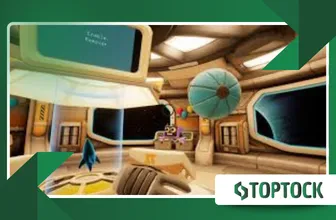
Cerrando la escotilla: El atractivo perdurable
Navegar por estos cielos digitales requiere una combinación excepcional de serenidad y energía. El juego sigue siendo un pilar fundamental de los juegos para móviles porque considera a los jugadores —y no al software— como el motor principal de la experiencia.
Esto nos recuerda que la tecnología da lo mejor de sí cuando actúa como catalizador de la interacción en el mundo real. Rompe el hielo, derriba las barreras sociales y, en ocasiones, deja a todos un poco afónicos al final de la noche.
El éxito de esta joya independiente demuestra que no se necesita un presupuesto enorme para crear una obra maestra. Basta con un concepto sólido y un grupo de personas dispuestas a hacer el ridículo por el bien de la misión.
Para explorar los cambios sociales más profundos provocados por este tipo de herramientas sociales interactivas, Polygon ofrece una amplia cobertura sobre cómo los títulos independientes están transformando nuestras expectativas sobre los juegos multijugador.
Preguntas frecuentes:
¿El juego requiere una conexión constante a internet?
No. Funciona perfectamente mediante Bluetooth o una red Wi-Fi local. Esto lo convierte en el compañero ideal para viajes por carretera, vuelos o cualquier lugar donde no haya cobertura en la nube.
¿Cuántas personas pueden jugar juntas de forma realista?
Aunque el límite oficial es de ocho personas, lo ideal suele ser entre cuatro y seis. Esto genera el suficiente caos como para que resulte un reto, sin que la sala se convierta en una auténtica e ininteligible pared de ruido.
¿Hay alguna forma de tocar esto en solitario?
El juego se basa fundamentalmente en la interacción entre las personas. Jugar solo eliminaría el desafío principal —la comunicación—, lo que lo convertiría en una experiencia bastante vacía. Es un juego social por diseño.
¿Son necesarias las expansiones para disfrutar del juego?
La experiencia básica es totalmente gratuita y completamente funcional. Las expansiones añaden elementos estéticos y desafíos específicos, sirviendo principalmente como una forma de apoyar al desarrollador y, al mismo tiempo, mantener la interfaz de usuario atractiva para los jugadores veteranos.
¿Qué ocurre si el teléfono de un jugador se queda sin batería en medio de la partida?
La nave normalmente intentará recalibrarse, pero la pérdida de un miembro de la tripulación supone un duro golpe. Siempre es mejor asegurarse de que todos tengan una carga decente antes de adentrarse en el espacio profundo.
++ Explorando el aprendizaje y el trabajo en equipo a través de juegos: Jugando a SpaceTeam
++ Jerga tecnológica gritando diversión de nave espacial
Popular ahora