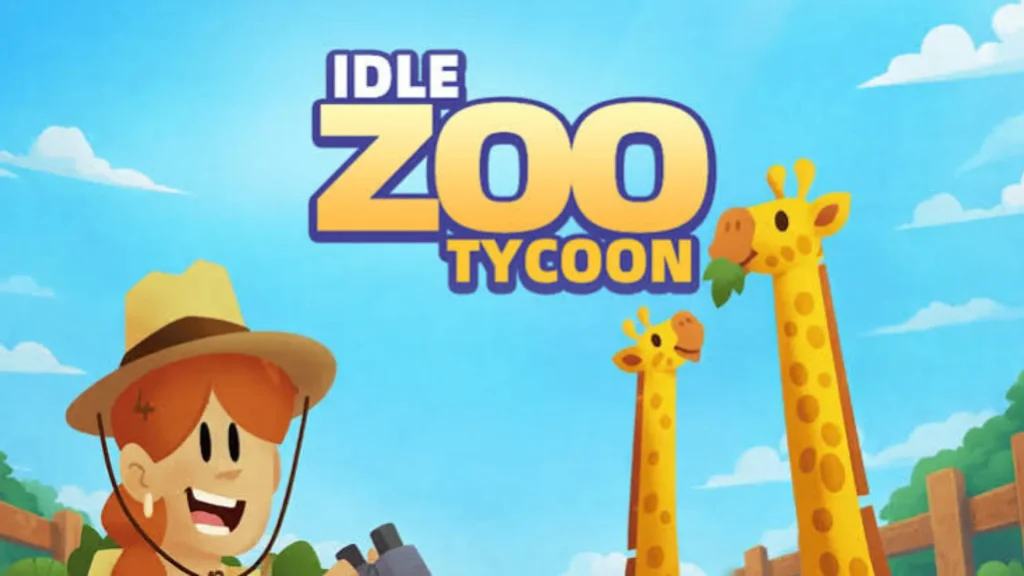
Idle Zoo Tycoon: Rescata animales, construye recintos y atrae visitantes.
Gestionar un santuario de vida silvestre virtual requiere un equilibrio entre la ética de la conservación, la asignación de recursos y la optimización de los mecanismos de progresión.
Anuncios
Magnate de zoológicos ocioso Combina la mecánica de la generación de ingresos pasivos con los desafíos operativos de la gestión moderna de cuidadores de animales en zoológicos.
Tanto si quieres optimizar tus ingresos diarios como si deseas ampliar la diversidad de hábitats de forma eficiente, comprender los ciclos de juego básicos garantiza una rápida expansión del zoológico.
Conclusiones clave
- Estrategias clave para maximizar los ingresos offline y las fuentes de ingresos pasivos.
- Métodos paso a paso para optimizar las misiones de rescate de animales y la mejora de sus hábitats.
- Técnicas de gestión del flujo de visitantes para aumentar los ingresos por entradas.
- Comparación del retorno de la inversión de los recintos para priorizar las inversiones iniciales.

¿Qué es Idle Zoo Tycoon y cómo funciona el bucle principal?
Magnate de zoológicos ocioso Es un juego de simulación de gestión inactiva donde los jugadores rescatan especies en peligro de extinción, construyen recintos adecuados para cada especie y amplían las operaciones para atraer turistas de todo el mundo.
Anuncios
A diferencia de los simuladores de gestión tradicionales que exigen una supervisión constante, Idle Tycoons utiliza un sistema de progresión automatizado. Tu zoológico seguirá generando ingresos incluso cuando la aplicación esté cerrada.
La mecánica principal del juego se basa en tres pilares fundamentales: operaciones de rescate, infraestructura del hábitat y satisfacción de los visitantes. Rescatar a un animal aumenta el prestigio general de tu zoológico.
Un mayor prestigio atrae a más público, lo que genera los fondos necesarios para financiar futuras expediciones de observación de fauna. El equilibrio entre estos tres sistemas evita cuellos de botella operativos y mantiene altos los márgenes de beneficio.
¿Cómo rescatar animales y optimizar los recintos para obtener el máximo retorno de la inversión?
El rescate de animales constituye el motor fundamental del progreso en Magnate de zoológicos ocioso. Los equipos de expedición exploran diversos biomas, desde las sabanas africanas hasta las tundras árticas, para localizar fauna silvestre en peligro.
Introducir una nueva especie en tu parque aumenta instantáneamente el atractivo para los visitantes habituales. Sin embargo, colocar un animal en un recinto deficiente limita su potencial de ingresos.
La mejora de los recintos requiere una planificación estratégica, no un gasto aleatorio. Cada mejora del hábitat optimiza dos indicadores clave: la capacidad máxima de visitantes y los ingresos pasivos por segundo.
++ Goat Simulator: Siembra el caos en la simulación más absurda de la historia.
Prioriza la mejora de hábitats de bajo coste y alto rendimiento durante las primeras etapas del juego para establecer una reserva de efectivo constante.
| Nivel de cerramiento | Especies primarias | Costo de actualización base | Ingresos promedio/segundo | Prioridad del retorno de la inversión |
| Nivel 1 (Sabana) | Elefante africano, león | Bajo | $15 – $45 | Alto (Partida inicial) |
| Nivel 2 (Selva tropical) | Jaguar, rana dardo venenosa | Medio | $120 – $350 | Medio |
| Nivel 3 (Ártico) | Oso polar, leopardo de las nieves | Alto | $1,200 – $4,500 | Alto (mitad del juego) |
| Nivel 4 (Oceánico) | Nutria marina, delfín nariz de botella | Extremo | $15,000+ | Estratégico (Fase final del juego) |
Mantener altos estándares de bienestar se correlaciona directamente con la generación de ingresos.
Según una investigación sobre estándares de exhibición de vida silvestre publicada por la Departamento de Agricultura de los Estados Unidos, Un diseño adecuado del hábitat influye directamente en la salud animal y en los indicadores de participación pública.
Trasladando este principio al juego, los recintos totalmente mejorados otorgan bonificaciones multiplicadoras permanentes a la generación de ingresos de todo el parque.
¿Cuáles son las mejores estrategias para atraer visitantes y aumentar los ingresos por taquilla?
Para atraer a un gran número de visitantes se requiere una inversión continua en la infraestructura del parque, más allá de las propias exhibiciones de animales.
Los visitantes exigen tiempos de espera cortos, puestos de comida accesibles y miradores con buena visibilidad. Descuidar estas instalaciones genera largas filas, lo que reduce el gasto promedio por visitante.
Leer más: Driving Empire (Roblox): Explora mapas enormes y presume de coches personalizados.
- Mejora de las puertas de acceso: Ampliar los torniquetes para evitar cuellos de botella en la entrada que frenen el tránsito peatonal.
- Construya concesiones de alto margen: Coloca puestos de helados y tiendas de regalos cerca de las exposiciones más concurridas para fomentar las compras impulsivas.
- Optimice las excursiones en autobús: Mejorar las conexiones de transporte público para aumentar el número de turistas que llegan.
- Contratar personal especializado: Utilice sistemas de gestión automatizados para mantener los puestos de comida abastecidos y los hábitats limpios sin intervención manual.
Centrarse en el flujo de clientes garantiza que cada turista que entre por sus puertas gaste la máxima cantidad de dinero antes de marcharse.
¿Cómo aceleran los programas de conservación científica el progreso a largo plazo?
Participar en iniciativas de cría globales desbloquea recompensas de juego avanzadas y acelera el prestigio del parque.
Los centros de cría especializados permiten a los jugadores criar crías raras, lo que desbloquea segmentos de visitantes exclusivos que pagan tarifas de entrada premium.
Una mejor clasificación en materia de conservación también reduce los costes globales de las expediciones en todos los biomas.
++ Técnicas de clasificación inteligente de Match Factory que mejoran las puntuaciones
Concentrar los recursos en especies raras permite un progreso mucho más rápido que distribuir las mejoras de manera uniforme entre las exhibiciones estándar.
Priorice estas tareas de conservación de alto valor tan pronto como las instalaciones de investigación estén disponibles en su parque.
¿Cuál es el orden de mejora más eficiente para la expansión en la fase final del juego?
La eficiencia en la fase final del juego depende de la optimización de los hábitats oceánicos y árticos de alto nivel antes de ampliar las redes de concesiones.
Debido a que los animales de alto nivel generan enormes ingresos base, los pequeños aumentos porcentuales producen ganancias financieras acumulativas.
Primero, optimiza al máximo el hábitat que genere mayores ingresos y, a continuación, destina las ganancias a los gerentes de personal de todo el parque.
Una vez que la gestión automatizada esté activa en todos los recintos, reinvierta los fondos sobrantes en mejorar la velocidad de acceso a las puertas.
Esta secuencia permite que el dinero fluya de manera eficiente, al tiempo que evita que el progreso se estanque durante las expansiones de alto costo.
¿Cómo funcionan los eventos especiales y las expediciones de temporada?
Los mapas de eventos por tiempo limitado ofrecen desafíos temporales con recompensas únicas de animales que se transfieren directamente a tu zoológico principal.
Participar en estas expediciones estacionales requiere gestionar parques temporales con normas de recursos específicas y mecanismos de visita únicos.
Al completar los hitos del evento, se obtienen multiplicadores de ingresos permanentes, variaciones de aspectos exclusivas y reservas de moneda premium.
Siempre redirige tu energía hacia los eventos activos cuando se lancen, ya que las recompensas permanentes superan con creces las ganancias de progresión estándar derivadas del mantenimiento del parque principal.
¿Cómo maximizar las ganancias por inactividad y el progreso fuera de línea?
El progreso sin conexión permite que tu parque acumule riqueza mientras te ocupas de tu vida diaria. Sin embargo, la generación básica sin conexión funciona con un límite de eficiencia reducido a menos que se actualicen sistemas específicos.
Para maximizar esta rentabilidad pasiva, es necesario invertir en la automatización de la gestión y en la ampliación de la duración de las inversiones fuera de línea.
Asignar un responsable a una exposición automatiza su ciclo de recaudación y mantiene la capacidad de generar ingresos durante los periodos sin conexión. Además, aprovecha las oportunidades de bonificación por tiempo limitado antes de cerrar la aplicación.
Investigación sobre patrones de participación de los jugadores Asociación de Software de Entretenimiento, Esto demuestra que las sesiones de juego estructuradas, combinadas con mecánicas automatizadas, mejoran significativamente la retención de jugadores a largo plazo y las tasas de progresión.
Prioriza el gasto de nueces doradas o moneda premium en mejoras permanentes del multiplicador offline.
Antes de cerrar sesión, compruebe que sus bóvedas de cobro estén vacías para garantizar la máxima capacidad de almacenamiento para los ingresos pasivos entrantes.
Preguntas frecuentes
¿Cómo funcionan los reinicios de prestigio en Idle Zoo Tycoon?
Los reinicios de prestigio te permiten vender tu zoológico actual a cambio de multiplicadores de crecimiento permanentes.
Al reiniciar, se borran tu dinero y tus pertenencias actuales, pero se te otorgan llaves doradas. Estas llaves aumentan permanentemente todas tus ganancias futuras, lo que te permite reconstruir mucho más rápido.
¿Qué animales debería rescatar primero?
Céntrate primero en completar colecciones de biomas enteros. Rescatar a todos los animales de una categoría específica otorga bonificaciones por completar la colección, lo que aumenta la afluencia de visitantes en todo el parque.
¿Es mejor actualizar las carcasas antiguas o ahorrar para comprar unas nuevas?
Por lo general, la actualización de las instalaciones de gama baja existentes genera un retorno de la inversión más rápido en las primeras fases del juego.
Ahorra para hábitats de alto nivel solo cuando tus ingresos actuales cubran fácilmente el costo de desbloqueo sin agotar tus reservas.
++ Construye un imperio animal en Idle Zoo Park para Xbox.
++ La guía definitiva para completar Zoo Tycoon
Popular ahora