Blockudoku: Combina Sudoku y rompecabezas de bloques para un desafío mental.
Explorando la mecánica de Blockudoku Ofrece una visión fascinante de cómo el diseño de juegos híbridos estimula con éxito las funciones cognitivas a través del razonamiento espacial y la lógica.
Anuncios
Resumen
- La evolución híbrida: Por qué finalmente la geometría y la lógica de las cuadrículas encajaron.
- Dominando el 9×9: Más allá de la colocación básica.
- El factor de neuroplasticidad: Auténticas mejoras cognitivas.
- Filosofía de alto puntaje: Pensar con tres movimientos de antelación.
- Análisis comparativo: Cómo se compara con los clásicos.
- El horizonte de 2026: ¿Qué depara el futuro para los rompecabezas digitales?.
¿Qué es Blockudoku y por qué es tendencia?
El panorama de los rompecabezas digitales cambió notablemente para 2026, pero Blockudoku Sigue siendo uno de los favoritos indiscutibles para aquellos de nosotros que encontramos los juegos móviles tradicionales demasiado ruidosos o frenéticos.
No es una aplicación más; es una fusión deliberada que resuelve un problema de diseño específico al combinar el caos espacial de los rompecabezas de bloques con el orden rígido y satisfactorio del Sudoku.
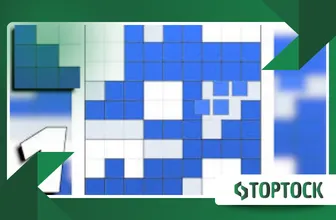
La premisa es engañosamente simple: se colocan figuras geométricas sobre una cuadrícula de 9×9, intentando completar filas, columnas o esos subcuadrados específicos de 3×3 que los jugadores de Sudoku conocen tan bien.
Existe una tensión sutil y peculiar en la jugabilidad: no hay temporizadores que marquen el tiempo, lo que elimina la adrenalina barata de los juegos arcade y la reemplaza con un enfoque profundo y gratificante en la estrategia.
Anuncios
Muchos profesionales lo utilizan ahora como un "limpiador cognitivo", una forma de reiniciar el cerebro entre sesiones de trabajo intenso sin la sobreestimulación típica de las redes sociales modernas.
Este giro hacia la "lógica zen" es precisamente la razón por la que no ha desaparecido; prioriza tu capacidad para reconocer patrones por encima de la rapidez con la que puedes mover el pulgar por una pantalla.
Al eliminar el límite del tiempo, los desarrolladores trasladaron toda la dificultad a tu capacidad de anticipación espacial, haciendo que cada colocación se sintiera como una decisión permanente en lugar de un reflejo rápido.
¿Cómo funciona la sinergia del juego?
Para encontrar realmente tu ritmo, tienes que dejar de ver el tablero como una superficie plana y empezar a verlo como un rompecabezas vivo de zonas superpuestas y posibles espacios libres.
Cada vez que colocas una pieza en un cuadrado de 3x3 o en una línea recta, ese grupo desaparece, despejando el tablero y, lo que es más importante, dándote unos segundos más de supervivencia.
El juego reparte las piezas en tríos, y ahí reside la verdadera trampa; si no planificas para las tres, inevitablemente te encontrarás atascado con una enorme forma de "L".
La eficiencia no se trata solo de despejar espacio; se trata del "combo", donde activas múltiples despejes en un solo lanzamiento, una jugada que se siente notablemente como ejecutar una jugada de ajedrez perfecta.
A medida que avanzamos en 2026, los algoritmos subyacentes se han vuelto bastante sofisticados, y ocasionalmente te presentan situaciones "inconvenientes" justo cuando crees que ya dominas el estado actual del tablero.
++ Mahjong Treasure Quest: Combina fichas para recuperar reliquias antiguas
El éxito requiere cierto grado de desapego emocional: si entras en pánico y empiezas a rellenar el centro de la cuadrícula solo para sobrevivir al turno, lo más probable es que el juego ya haya terminado.
¿Por qué se considera una herramienta superior para el entrenamiento cerebral?
Los rompecabezas espaciales tienen algo intrínsecamente satisfactorio, y las investigaciones cognitivas actuales sugieren que esto no es solo divertido, sino que en realidad es un mantenimiento estructural para las funciones ejecutivas del cerebro.
Aspectos destacados de la investigación de la Centro de la Universidad de Harvard para el Desarrollo Infantil indican que las actividades que desafían nuestra orientación espacial son fundamentales para construir vías neuronales robustas.
Cuando giras mentalmente un bloque para ver si encaja en un hueco, estás activando el lóbulo parietal, el GPS interno del cerebro que se encarga de la navegación y los datos sensoriales.
También es un sutil ejercicio de gratificación postergada; los jugadores más inteligentes a menudo renuncian a una pequeña limpieza inmediata para preparar una jugada masiva que elimine todo el tablero tres turnos después.
Este tipo de disciplina mental a menudo se malinterpreta como un simple "juego", pero refleja la resolución de problemas de alto nivel que se encuentra en el diseño arquitectónico o la ingeniería de software compleja.
Leer más: Hexologic: Rellena una cuadrícula hexagonal usando una estrategia de colocación de números.
El objetivo es alcanzar un "estado de flujo", ese raro punto óptimo psicológico en el que el tiempo desaparece porque tu mente está en perfecto equilibrio entre el desafío y tus habilidades.
Comparación del rendimiento en rompecabezas de lógica (datos de 2026)
| Característica | Sudoku clásico | Al estilo Tetris | Blockudoku |
| Habilidad primaria | Lógica deductiva | Reflejos/Velocidad | Estrategia espacial |
| Nivel de estrés | Bajo a medio | Alto | Bajo (Zen) |
| Duración de la sesión | 10–20 minutos | 2–5 minutos | Indefinido |
| Carga cognitiva | Alto (Números) | Mediano (Formas) | Alto (Geometría) |
| Rejugabilidad | Moderado | Alto | Muy alto |
¿Qué estrategias garantizan una puntuación alta de forma constante?
Si quieres superar la fase de principiante, tienes que adoptar una filosofía de "borrón y cuenta nueva", donde mantener la tabla vacía es más importante que perseguir formas de alta puntuación.
Las esquinas son las asesinas silenciosas de una buena partida; una vez que las dejas desordenadas, pierdes la capacidad de guardar piezas más pequeñas que normalmente te salvan la vida.
Mantén siempre una "válvula de seguridad" —un área abierta de 3x3 o una pista larga de 5 celdas— para asegurarte de que una mala selección de piezas no termine tu racha prematuramente.
Las actualizaciones de 2026 han reforzado las recompensas por "rachas", lo que significa que se obtienen puntos exponenciales por eliminar bloques en cada movimiento consecutivo, lo que exige un estilo de juego muy preciso y eficiente.
Uno de los errores más frecuentes es la creación de "islas", esas celdas vacías individuales que actúan como agujeros negros en la cuadrícula, reduciendo esencialmente el área de juego durante el resto de la partida.
Imagina el tablero como nueve minijuegos que se desarrollan simultáneamente; si gestionas las microzonas de forma eficaz, la puntuación general acabará por resolverse por sí sola.
¿Cuáles son las características modernas de la versión 2026?
Cambiar el tipo o estilo del bloque
Mueva el bloque de párrafo de la posición 41 a la posición 40.
Mueva el bloque de párrafo de la posición 41 a la posición 42.
Cambiar la alineación del texto
Muestra más herramientas de bloques
blob:https://toptock.com/80266192-3865-43e8-96f8-2da161efbc44
Bloque de postes
Párrafo
Comencemos con el elemento básico de toda narrativa.
Restricción de idioma de TranslatePress
Seleccione de qué idiomas se excluirá el bloque.
Modo de restricción de contenido: Seleccione idioma(s)
Avanzado
Saltar al bloque seleccionadoAbrir panel de publicación
- Correo
- Párrafo
La versión actual del juego ofrece una experiencia más táctil que nunca, utilizando sutiles vibraciones hápticas y eventos estacionales para convertir un rompecabezas de lógica solitario en un pasatiempo competitivo a nivel mundial.
Los retos diarios han evolucionado más allá de las simples puntuaciones altas; ahora incluyen piezas de "trofeo" que actúan como recompensas permanentes, lo que te da una sensación de progreso de la que carecía la versión original.
Los desarrolladores finalmente dieron prioridad a la salud ocular a largo plazo al introducir temas de alto contraste y sofisticados modos oscuros, reconociendo que muchos de nosotros jugamos a esto para relajarnos por la noche.
Quizás la novedad más interesante sea el entrenador de IA minimalista, que puede analizar tus partidas fallidas e indicar exactamente dónde tu lógica espacial se estancó.
Estas funciones están integradas en un dispositivo muy ligero y de bajo consumo de batería, que satisface la demanda de 2026 de aplicaciones que no agoten la batería del teléfono ni la energía mental.
Es la prueba de que una mecánica básica, si es lo suficientemente sólida, no necesita trucos llamativos para seguir siendo relevante; solo necesita un perfeccionamiento constante y bien pensado para que la experiencia siga siendo novedosa.
Encontrar el Zen en la Geometría
En una era donde la mayoría de las aplicaciones luchan por cada milisegundo de tu atención, Blockudoku Se siente como un santuario singular y sofisticado que respeta la inteligencia y el ritmo del jugador.
Este juego tiende un puente entre el rígido mundo matemático del Sudoku y el movimiento creativo y fluido de los bloques, ofreciendo una profundidad que se revela poco a poco con el tiempo.
La verdadera belleza reside en su accesibilidad; cualquiera puede aprender a usarlo en segundos, pero podrías pasar años intentando dominar los matices de la cuadrícula de 9x9.
Al obligarte a afrontar y resolver limitaciones espaciales, el juego se convierte en algo más que una distracción: es una forma de meditación digital que mantiene la mente ágil y concentrada.
A medida que el panorama de los juegos de lógica continúa evolucionando, la fusión de estos géneros clásicos sigue siendo el referente de lo que un juego de puzles para móviles debería lograr.
Despeja tu escritorio, abre la cuadrícula y comprueba cuánto tiempo puedes sobrevivir: es un ejercicio para el cerebro que, en realidad, se siente como un descanso.
Preguntas frecuentes
¿Blockudoku es gratuito?
La versión estándar sigue siendo gratuita, generalmente con algunos anuncios, aunque existe la opción de compra única o suscripción para quienes deseen una experiencia completamente ininterrumpida.
¿Puedo jugar a Blockudoku sin conexión a internet?
Sí, es uno de los pocos rompecabezas de alta calidad que funciona perfectamente sin conexión a internet, lo que lo convierte en la opción ideal para viajes largos o vuelos.
¿En qué se diferencia de Woodoku?
La principal diferencia radica en la mecánica del "cuadrado Sudoku" de 3×3; Blockudoku permite eliminar piezas utilizando estas subcuadrículas, mientras que otros suelen limitarse a filas y columnas simples.
¿Cuál es la puntuación más alta posible?
En teoría, la puntuación no tiene límite. Mientras que los principiantes luchan por alcanzar los 5000 puntos, los maestros del juego están llegando a los 50 000 mediante una gestión extrema de las rachas.
¿Es apto para niños?
De hecho, es muy recomendable para los jugadores más jóvenes, ya que les ayuda a desarrollar el razonamiento espacial, la paciencia y la capacidad de planificar con varios pasos de antelación.
Para obtener información más detallada sobre cómo los juegos de lógica impactan la salud cognitiva a largo plazo y el envejecimiento, explore las últimas investigaciones en el Instituto Nacional sobre el Envejecimiento.
++ Block Sudoku: Juego de rompecabezas Blockudoku. Un juego único…
++ Juega a los mejores juegos de bloques gratis en línea.
Popular ahora