
Base del Ejército Inactiva: Entrena reclutas, expande instalaciones y conquista.
Base del ejército inactiva A primera vista no parece complicado. Unos cuantos toques, algunos sistemas automatizados, números que aumentan silenciosamente en segundo plano.
Anuncios
Pero esa primera impresión se desvanece rápidamente. Debajo de la superficie, hay una estructura que recompensa la atención, la oportunidad y cierto tipo de paciencia.
Esta guía explica qué es lo que realmente impulsa el progreso: cómo los nuevos reclutas influyen en tu impulso, por qué la expansión puede acelerar o frenar el crecimiento, y dónde la mayoría de los jugadores pierden eficiencia silenciosamente sin darse cuenta.
Los juegos inactivos han cambiado en los últimos años. Para 2026, se centrarán menos en la espera y más en la preparación. La diferencia se refleja en cómo se conectan los sistemas y en cómo las pequeñas decisiones tienen repercusiones horas después.
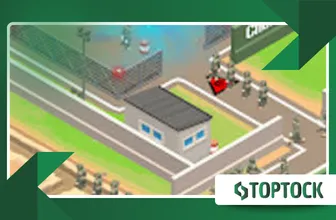
¿Qué es Idle Army Base y por qué logra captar tanto la atención?
En esencia, Base del ejército inactiva Es una simulación sobre la construcción de una infraestructura militar que crece sin que te des cuenta. Esa es la capa más evidente. La más profunda trata sobre la acumulación de decisiones.
Anuncios
A diferencia de los juegos de estrategia tradicionales, donde la acción determina los resultados, aquí lo que importa es la estructura. Lo que construyes —y cuándo lo haces— es más importante que la frecuencia con la que tocas la pantalla.
Hay algo un tanto engañoso en ello. El progreso parece automático, pero no lo es. El juego detecta discretamente las ineficiencias, recompensando a los jugadores que se anticipan en lugar de reaccionar tarde.
Lo que mantiene a la gente motivada no es la velocidad, sino la acumulación. Cada mejora impulsa la siguiente, como un sistema que poco a poco aprende a funcionar por sí solo.
¿Cómo influye realmente la formación de nuevos reclutas en tu crecimiento?
El entrenamiento de reclutas no es solo una mecánica, es el motor. Todo lo demás depende de él, incluso cuando la interfaz sugiera lo contrario.
Más reclutas significan mayor producción, sí, pero hay un cambio sutil a medida que avanzas. La cantidad impulsa el juego en las primeras etapas, mientras que la eficiencia comienza a dominar en las etapas posteriores.
Los jugadores suelen apresurarse a realizar mejoras sin percatarse de los periodos de inactividad entre los ciclos de entrenamiento. Estos periodos parecen pequeños, pero con el tiempo no lo son. Poco a poco, van mermando el progreso a largo plazo.
++ Magnate de los smartphones: Inventa teléfonos y construye un imperio tecnológico global.
Aquí también existe una trampa psicológica: las unidades más potentes dan la sensación de progreso, pero una producción más rápida suele tener un mayor impacto. Es menos visible, pero mucho más decisivo.
¿Por qué la ampliación de instalaciones a veces supone un retraso?
La expansión se percibe como progreso. Nuevos edificios, nuevos sistemas, mayor complejidad. Sin embargo, llega un punto en que el crecimiento empieza a ser contraproducente.
Cada instalación añade presión: sobre los recursos, sobre las vías de mejora, sobre la capacidad de mantener el equilibrio. Expandirse demasiado pronto genera una especie de fricción interna.
El enfoque más inteligente se inclina hacia la alineación. La formación, los ingresos y las mejoras deben ir de la mano, casi como engranajes en la misma máquina.
Leer más: Job Simulator VR (clon para móviles): Experimenta tareas laborales hilarantes.
En Base del ejército inactiva, Algunas estructuras desbloquean multiplicadores que se propagan por toda la base. Perderse esos momentos retrasa todo lo que viene después.
¿Qué mejoras realmente marcan la diferencia?
No todas las actualizaciones son iguales, incluso cuando cuestan cantidades similares. Algunas transforman por completo el sistema de forma silenciosa, mientras que otras apenas se notan con el tiempo.
| Tipo de actualización | Beneficio principal | Valor a largo plazo | Nivel de prioridad |
|---|---|---|---|
| Velocidad de entrenamiento | Generación de reclutas más rápida | Muy alto | Crítico |
| Multiplicadores de ingresos | Mayor generación de recursos | Muy alto | Crítico |
| Sistemas de automatización | Interacción manual reducida | Alto | Alto |
| Fuerza de la unidad | Mayor eficiencia en la misión | Medio | Medio |
| Mejoras cosméticas | Solo mejoras visuales | Bajo | Bajo |
La tendencia es consistente: las mejoras que afectan a múltiples sistemas tienden a ser más rentables que las mejoras aisladas. No se trata tanto de las ventajas inmediatas, sino del alcance de dichas ventajas.
¿Cómo es que los mecánicos inactivos premian la preparación por encima de la actividad?
Existe la idea errónea de que los juegos inactivos recompensan la ausencia. Esto solo es parcialmente cierto. Lo que realmente importa es cómo te preparas antes de desconectarte.
Dejar el juego con colas de espera inactivas o recursos limitados supone una pérdida de tiempo difícil de percibir. A simple vista no parece haber ningún problema, pero el progreso se ralentiza.
Los buenos jugadores desarrollan pequeños rituales antes de desconectarse: revisar las colas de espera, gastar el dinero sobrante, coordinar las mejoras. Con el tiempo, se convierte en algo instintivo.
Desde el punto de vista del diseño, esto no es accidental. Los sistemas están construidos para fomentar la previsión. Un desglose útil de esta lógica aparece en
Desarrollador de videojuegos (Idle Game Design Insights), que explora cómo el crecimiento exponencial influye en las decisiones de los jugadores.
¿Qué cambia en la fase intermedia y final del juego?
Las estrategias iniciales rara vez se mantienen intactas. Lo que funciona al principio empieza a parecer ineficiente a medida que los sistemas se superponen.
La fase intermedia del juego introduce fricciones: cuellos de botella en los recursos, mejoras más lentas, más dependencias. Es ahí donde suele aflorar la impaciencia.
En esta etapa, la expansión pasa a un segundo plano. La optimización se convierte en el objetivo principal. Los pequeños ajustes comienzan a generar mejores resultados que las grandes inversiones.
++ ZigZag: Toca para girar y mantente en el camino en este adictivo juego arcade.
Más adelante, todo gira en torno a los multiplicadores. La acumulación de bonificaciones en diferentes sistemas genera un crecimiento que no solo aumenta, sino que se acelera.
¿Cuándo merece la pena invertir en automatización?
Al principio, la automatización parece un lujo, algo para considerar más adelante. Esta suposición suele ser contraproducente.
Una vez que las acciones manuales comienzan a ralentizar la toma de decisiones, la automatización deja de ser opcional y se convierte en algo estructural.
Sin embargo, hay que encontrar un equilibrio. Invertir demasiado pronto puede retrasar las actualizaciones principales. Por otro lado, esperar demasiado genera retrasos innecesarios.
En Base del ejército inactiva, La automatización no es solo una cuestión de comodidad, sino que transforma por completo el funcionamiento de toda la organización. Este cambio es sutil, pero difícil de revertir una vez que se pasa por alto.
¿Cómo influye silenciosamente la gestión de recursos en el éxito?
Los recursos rara vez se agotan de golpe. Se deterioran lentamente, debido a un gasto ineficiente, una mala planificación o límites que se pasan por alto.
Es más importante controlar el flujo que controlar los totales. Saber cómo se mueven los recursos revela dónde se producen las fugas del sistema.
Otro punto que a menudo se pasa por alto: depender de una sola fuente de ingresos genera fragilidad. La diversificación estabiliza el crecimiento, especialmente cuando los costos comienzan a dispararse.
Los recursos bien gestionados no solo mantienen el progreso, sino que lo facilitan. Y los sistemas eficientes tienden a obtener mejores resultados que los sistemas agresivos a largo plazo.
¿Qué errores suelen pasar desapercibidos?
Algunos errores son evidentes. Otros se ocultan tras la ilusión de progreso. Las mejoras aleatorias dan sensación de productividad, pero a menudo diluyen su impacto. La sobreexpansión genera complejidad sin beneficios. Ignorar la preparación ociosa supone un desperdiciado inadvertido de horas.
También existe la tendencia a perseguir la fortaleza visible —mejores unidades, mayores cifras— ignorando la eficiencia subyacente. Ese desequilibrio acaba pasando factura.
La mayoría de los contratiempos no provienen de malas decisiones, sino de decisiones ligeramente desalineadas que se repiten a lo largo del tiempo.
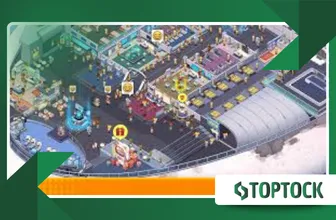
Conclusión
Base del ejército inactiva Recompensa un tipo particular de pensamiento: uno que valora la sincronización por encima de la velocidad y la estructura por encima del impulso.
El progreso no consiste en hacer más, sino en hacer las cosas correctas en el orden correcto. Las pequeñas optimizaciones se acumulan, dando forma a los resultados de forma silenciosa horas o incluso días después.
Los jugadores que entienden ese ritmo tienden a moverse de forma diferente. Más despacio al principio, quizás. Luego, de repente, se adelantan, sin hacer mucho ruido.
Para una visión más amplia de cómo evolucionan los sistemas de simulación y cómo influyen en el comportamiento de los jugadores,
IGDA (Investigación y análisis de la industria de los videojuegos) Ofrece valiosas perspectivas del sector.
Preguntas frecuentes
¿Cuál es el objetivo principal de Idle Army Base?
Construir una base militar escalable, entrenar a los reclutas de manera eficiente y expandir los sistemas de forma que se mantenga el crecimiento a largo plazo sin crear cuellos de botella.
¿Es Idle Army Base un juego gratuito?
La mayoría de las versiones siguen un modelo gratuito con compras opcionales, aunque la progresión sigue siendo posible mediante la planificación estratégica y el uso eficiente de los recursos.
¿Cuánto tiempo se tarda en lograr un progreso significativo?
Eso depende menos del tiempo y más de las decisiones. Las estrategias eficientes aceleran el crecimiento significativamente en comparación con las estrategias reactivas o no estructuradas.
¿Se puede progresar sin interacción constante?
Sí, pero los resultados dependen en gran medida de la preparación. El tiempo de inactividad solo funciona bien cuando el sistema está configurado correctamente de antemano.
¿En qué deberían centrarse primero los principiantes?
Multiplicadores de velocidad de entrenamiento e ingresos. Estos crean una base que sustenta todos los demás sistemas del juego.
¿La automatización elimina la necesidad de estrategia?
En realidad no. Cambia el enfoque, pasando de la repetición a la planificación, lo cual se vuelve aún más importante a medida que aumenta la complejidad.
++ Base militar inactiva: Magnate militar
++ Guía para principiantes de Idle Army Base
Popular ahora