Twisted Tangle: Desenreda todos los puzles de cuerdas antes de que la pantalla se llene de caos.
Enredo retorcido Parece sencillo hasta que varias cuerdas se cruzan, unos pasadores bloquean tus opciones y el reloj empieza a correr en tu contra.
Anuncios
Lo que comienza como una tarea rápida de desenredar se convierte rápidamente en una prueba de razonamiento espacial, secuenciación, atención y toma de decisiones.
Desarrollado por Rollic Games, este juego de puzles desafía a los jugadores a recolocar nodos y clavijas hasta que las cuerdas interconectadas dejen de superponerse.
A medida que los niveles se vuelven más complicados, los pasadores fijos, los espacios bloqueados, las llaves, las cerraduras, las barreras, el hielo y los pasadores con forma de "pulpo" de múltiples brazos crean rompecabezas de lógica cada vez más exigentes.
Conclusiones clave
- Enredo retorcido Es fundamentalmente un rompecabezas espacial y de secuenciación, no simplemente un juego de arrastrar cuerdas.
- La estrategia más segura es identificar las limitaciones antes de dar el primer paso.
- Los pasadores fijos, las baldosas bloqueadas, las llaves, los candados, las barreras y los pasadores de pulpo cambian la forma en que debes planificar.
- La presión del tiempo recompensa el pensamiento eficiente en lugar de los movimientos frenéticos.
- Los juegos de rompecabezas pueden estimular la atención visual y las habilidades visoespaciales, pero no deberían comercializarse como una forma garantizada de mejorar la inteligencia general.
¿Qué es Twisted Tangle y cómo funciona?
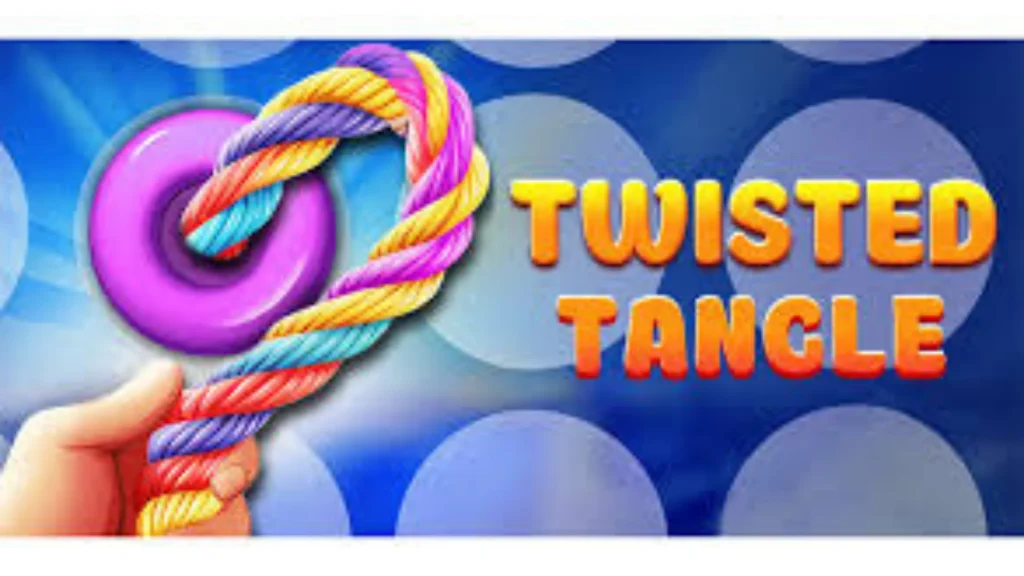
Enredo retorcido Es un rompecabezas tridimensional de resolución de nudos que gira en torno a un objetivo central: mover los pasadores o nodos para que las cuerdas enredadas se separen sin cruzarse.
Anuncios
El centro de ayuda oficial explica que los jugadores deben arrastrar nodos a nuevas posiciones con el objetivo de despejar las intersecciones de cuerdas. Los niveles deben completarse antes de que se agote el tiempo disponible.
Esa regla básica plantea un interesante problema estratégico. Una jugada que parece útil puede, en realidad, imposibilitar las dos siguientes, obligándote a pensar con varios pasos de antelación.
El juego está disponible en Android, iOS y otras plataformas compatibles. A partir de julio de 2026, su ficha en Google Play reporta más de 10 millones de descargas, mientras que el listado se actualizó el 1 de julio de 2026.
| Característica | Lo que encuentran los jugadores | Por qué es importante |
|---|---|---|
| Objetivo principal | Desenreda las cuerdas interconectadas | Establece el desafío lógico central |
| Movimiento de nodos | Arrastra los marcadores a nuevas posiciones. | Requiere planificación espacial |
| pasadores fijos | Algunos extremos de la cuerda no se pueden mover | Limita las posibles soluciones |
| Baldosas bloqueadas | Algunos espacios del tablero no permiten colocar chinchetas. | Reduce las rutas disponibles |
| Llaves y cerraduras | Desenredar las cuerdas conectadas puede abrir las cerraduras. | Agrega dependencia entre movimientos |
| alfileres de pulpo | Un solo pasador puede conectar varias cuerdas. | Aumenta la complejidad |
| Barreras/conos | Las cuerdas deben guiarse para sortear los obstáculos. | Hace que el posicionamiento sea más importante |
| Hielo | Pueden ser necesarias condiciones específicas de la cuerda. | Crea desafíos de secuenciación adicionales |
| Límite de tiempo | Los niveles deben resolverse antes de que se acabe el tiempo. | Añade presión a la toma de decisiones. |
Los obstáculos mencionados anteriormente provienen directamente de la documentación de soporte oficial del juego, y no de descripciones genéricas de juegos de rompecabezas de cuerdas.
¿Por qué Twisted Tangle se vuelve difícil tan rápidamente?
La dificultad proviene de relaciones entre movimientos, no mediante controles complicados.
Imagina tres clavijas conectadas por varias cuerdas. Mover una clavija podría eliminar un cruce y crear dos nuevos. Por lo tanto, la decisión correcta depende de lo que suceda a continuación, no solo de si la pantalla actual se ve más limpia.
Eso convierte el juego en una forma de resolución de problemas secuencial. Constantemente debes evaluar los espacios disponibles, las rutas de las cuerdas, los obstáculos y las dependencias antes de tomar una decisión.
Los pasadores fijos crean otra capa de restricción. Dado que un extremo no puede moverse, hay que buscar una solución alternativa en lugar de tratar todos los pasadores como igualmente flexibles.
++ Dreamline Connect: Une símbolos mágicos para completar relajantes patrones de rompecabezas.
Los pasadores de pulpo aumentan aún más la dificultad, ya que una sola ubicación puede influir en múltiples conexiones de cuerda. Por lo tanto, un movimiento descuidado puede afectar varias secciones del rompecabezas simultáneamente.
¿Cómo puedes resolver niveles de enredos retorcidos de manera más eficiente?
El mayor error es mover el primer pin que parezca inconveniente.
En cambio, dedica unos segundos a leer todo el tablero. Identifica qué clavijas están fijas, qué espacios están disponibles y dónde se producen los cruces de cuerda más restrictivos.
++ Estrategias óptimas para despejar atascos en tableros de tornillos complejos
¿Qué cuerda debes mover primero?
Comience con la cuerda que tiene la menos opciones viables.
Si una cuerda solo puede moverse por uno o dos espacios abiertos, mientras que otra tiene varias posibilidades, resuelve primero el problema que limita la cuerda. Esto reduce la probabilidad de bloquear accidentalmente el único lugar útil.
¿Qué debes comprobar antes de arrastrar un marcador?
Fíjate en el destino, no solo en el punto de partida.
Haz tres preguntas rápidas:
- ¿Esta medida elimina un cruce?
- ¿La nueva posición bloqueará otra cuerda?
- ¿Este movimiento crea espacio para la siguiente acción necesaria?
Esa pequeña lista de verificación mental puede evitar una cantidad sorprendente de intentos fallidos.
¿Cómo cambian las llaves y las cerraduras tu estrategia?
Las llaves y las cerraduras crean dependencias.
Según la guía de soporte oficial, los jugadores primero deben desenredar las cuerdas conectadas a una llave antes de que se abra la cerradura correspondiente.
++ Las misiones de Johnny Trigger ofrecen secuencias de acción más rápidas.
Por lo tanto, no considere una sección bloqueada como un obstáculo aislado. Retroceda desde el bloqueo y determine qué cuerda debe liberarse primero.
¿Cómo se deben manejar las barreras y el hielo?
Las barreras requieren planificación de ruta. Una cuerda que parece libre por un lado puede enredarse al mover otro pasador alrededor de un cono u obstáculo similar.
El hielo introduce otro problema de secuenciación. La guía oficial distingue entre hielo arcoíris y hielo de un solo color, con requisitos diferentes para romper cada tipo.
Cuando aparezca cualquiera de las dos opciones, deja de pensar en el rompecabezas como un solo nudo gigante. Divídelo en objetivos más pequeños y determina qué sección debe resolverse primero.
¿Puede Twisted Tangle mejorar tus habilidades para resolver problemas?
Los juegos de rompecabezas pueden ejercitar los procesos cognitivos, pero es importante hacer afirmaciones responsables.
Un estudio piloto controlado y aleatorio, en el que participaron adultos sanos y adultos mayores, halló mejoras en la atención visual y en las medidas visuoespaciales tras una intervención con un juego de rompecabezas basado en una tableta.
Sin embargo, el estudio fue pequeño, con solo 12 participantes, por lo que no puede establecer que todos los juegos de rompecabezas produzcan amplios beneficios cognitivos.
Un metaanálisis más amplio de las intervenciones cognitivas en videojuegos también reveló que los efectos varían según las características específicas del juego que se estén entrenando.
Las pruebas no respaldan la idea simplista de que jugar a cualquier juego automáticamente hace que una persona sea más inteligente en general.
Para los lectores interesados en la investigación más que en las afirmaciones de marketing, el Registro de investigación de PubMed sobre entrenamiento cognitivo mediante juegos de rompecabezas Proporciona un punto de partida útil.
Para Enredo retorcido, La observación más defendible es sencilla: el juego te pide repetidamente que examines las relaciones espaciales, tengas en mente los posibles movimientos, reconozcas las limitaciones y ajustes tu estrategia cuando un plan falla.
Se trata de exigencias cognitivas reales, incluso sin afirmar que el juego proporcione un beneficio médico o terapéutico.
¿Qué diferencia a Twisted Tangle de un rompecabezas de cuerda básico?
El concepto visual resulta familiar, pero la mecánica transforma progresivamente la tarea.
Un rompecabezas básico de cuerdas podría pedirte que clasifiques colores o separes hebras. Enredo retorcido Añade restricciones que hacen que el orden de los movimientos sea importante: clavijas fijas, casillas bloqueadas, candados, barreras, hielo y clavijas de múltiples brazos.
Esa distinción importa porque el desafío cambia de “¿Dónde puedo poner esto?” a “¿Qué debo hacer antes de poder colocar esto ahí?”
La segunda pregunta es dónde comienza la lógica más profunda.
¿Qué debes hacer cuando la pantalla empieza a mostrar signos de caos?
No aceleres.
Cuando varias cuerdas parecen cruzarse por todas partes, los jugadores suelen empezar a arrastrar los pasadores rápidamente con la esperanza de que el rompecabezas se resuelva solo.
Bajo presión de tiempo, esa reacción parece natural, pero los movimientos aleatorios suelen destruir el mapa mental necesario para resolver el tablero.
Haz una pausa y simplifica.
Encuentre una restricción confirmada, como un pasador fijo o una baldosa bloqueada. Luego, siga la cuerda conectada a ella e identifique la siguiente posición disponible.
Resuelve una dependencia a la vez en lugar de intentar procesar mentalmente cada cruce simultáneamente.
Si una jugada falla, considérelo como información. Una mala jugada puede revelar qué posiciones son incompatibles, lo que permite realizar el siguiente intento con mayor conocimiento de causa.
¿Merece la pena jugar a Twisted Tangle en 2026?
Para los jugadores que disfrutan Rompecabezas de lógica, desafíos espaciales, rompecabezas de nudos, juegos mentales casuales y niveles progresivamente más difíciles., La mecánica principal del juego ofrece una razón clara para seguir jugando: cada tablero te pide que conviertas la confusión visual en una secuencia ordenada de acciones.
Su ficha actual en Android muestra más de 10 millones de descargas e indica que el juego contiene anuncios y compras dentro de la aplicación.
Es importante tener en cuenta este modelo de negocio antes de comenzar una sesión larga. Si bien el juego puede ser gratuito, las compras opcionales y la publicidad pueden influir en la experiencia.
La descripción oficial del juego también destaca los niveles Difícil, Épico y de Jefe, que ofrecen a los jugadores experimentados desafíos adicionales más allá de los puzles introductorios.
¿Cuáles son las preguntas más comunes sobre enredos retorcidos?
¿Es Twisted Tangle un juego gratuito?
Sí. El juego aparece como gratuito para descargar, aunque en su versión para móviles se incluyen anuncios y compras dentro de la aplicación.
Sí. El centro de ayuda oficial indica que los jugadores deben completar un nivel antes de que se agote el tiempo disponible.
¿Qué son los alfileres de pulpo en Twisted Tangle?
Los pasadores tipo pulpo son pasadores especiales con múltiples brazos, lo que significa que varias cuerdas pueden conectarse a un solo pasador. Esto aumenta la cantidad de conexiones que debes considerar antes de moverlo.
¿Cuál es la mejor manera de resolver los niveles difíciles?
Estudia el tablero antes de hacer cualquier movimiento, identifica los elementos fijos y restringidos, resuelve primero la cuerda más restrictiva y piensa en las consecuencias de cada movimiento en lugar de simplemente perseguir el cruce más obvio.
Reflexiones finales
Enredo retorcido Tiene éxito porque sus controles son sencillos, mientras que sus decisiones no lo son. Arrastrar un marcador lleva segundos; entender dónde debe ir ese marcador puede llevar mucho más tiempo.
Para obtener mejores resultados, deja de tratar cada cuerda como un problema individual. Analiza todo el tablero, localiza las restricciones, identifica las dependencias y construye tu solución siguiendo una secuencia intencionada.
Cuando la pantalla empieza a llenarse de caos, el jugador más rápido no es necesariamente el que se mueve más rápido. La ventaja la tiene el jugador que puede ver la solución antes de hacer el movimiento.
++ Rompecabezas de cuerda enredada 1-20 Todos los niveles Jugabilidad Android, iOS
Popular ahora