
LifeAfter: Post‑Apocalyptic Survival Merged with Crafting and Combat
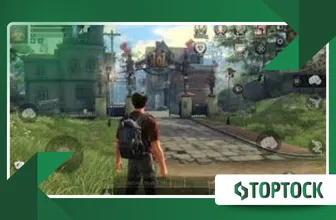
The relentless post-apocalyptic world of LifeAfter presents a unique blend of gritty survival mechanics, intricate crafting systems, and intense third-person combat.
Anúncios
This mobile and PC phenomenon from NetEase Games consistently redefines the expectations for the survival genre, placing players in a desolate landscape ravaged by a zombie-like infection.
Success hinges not just on quick reflexes, but on meticulous planning and resource management.
What Core Experience Does LifeAfter Deliver to the Survival Genre?
The game plunges survivors into an unforgiving environment where every decision carries weight.
Hunger, thirst, temperature, and disease are constants that demand immediate attention.
Anúncios
Players must forage for scarce resources, battling not only the infected but also the harsh elements and, often, each other.
This pervasive sense of danger ensures players remain acutely aware of their surroundings.
How Has Crafting Evolved Beyond Simple Survival Needs?
Crafting in LifeAfter goes far beyond basic tools and shelters. It forms the backbone of long-term survival and progression.
Initially, survivors craft rudimentary weapons and basic food to stay alive.
However, the system scales dramatically, requiring complex recipes and rare materials to construct advanced weaponry, fortified manor defenses, and high-tier gear necessary for tackling late-game threats.
For example, creating a high-end rifle like the A2 requires components synthesized from rare earth elements and specialized alloys, contrasting sharply with the simple wooden bat crafted on the first day.
This progression fosters a satisfying sense of accomplishment.
The depth of the crafting tree encourages cooperation and specialization within player camps, driving a robust in-game economy.
Why Is Strategic Combat Essential for Long-Term Survival in LifeAfter?
Combat is fast-paced and requires tactical movement, positioning, and resource management. Running in blindly rarely works, especially against the more formidable mutant types.
Players must learn enemy attack patterns and leverage the environment to their advantage.
Read more: Oceanhorn
Furthermore, gear durability is a constant concern; high-risk encounters necessitate carrying repair materials or multiple sets of equipment.
The game continually introduces new enemy types and zones, forcing players to adapt their loadouts and strategies.
A common statistic for survival games shows that engagement longevity is directly tied to the complexity of the combat system.
According to a 2024 analysis by Sensor Tower, games that offer both PvE and competitive PvP elements, like LifeAfter, often see a 15% higher average playtime per month compared to single-mode titles, illustrating the game’s success in providing varied combat challenges.
How Does the Manor System Define Player Progression and Social Interaction?
The manor is the player’s personal sanctuary and base of operations.
It functions as a customizable fortress that must be defended against periodic zombie sieges.
The architectural design is entirely up to the survivor, allowing for creative and strategic placements of walls, traps, and defensive structures. This personal space is crucial.
See how interesting: Iron Blade
The manor system strongly encourages social interaction through the Camp feature, which acts as a player-governed city-state.
Just as a small village might organize itself during a prolonged crisis—some specializing in farming, others in hunting, and others in defense—players within a Camp specialize in different professions (e.g., Logger, Miner, Upholsterer).
This division of labor is essential, as the game’s best resources are often locked behind high-level profession requirements, necessitating trade and collaboration.
What is the Significance of Season Updates and Map Expansion for LifeAfter‘s Longevity?
NetEase Games has consistently supported the title with massive seasonal updates that introduce new environments, stories, and mechanics.
These expansions are critical for keeping the experience fresh and challenging.
They often include vast new maps with unique biomes, specialized infected, and exclusive resources. This continuous introduction of content is vital.
++ Motorsport Manager Mobile 3
For example, the introduction of a frozen wasteland requires entirely new survival gear and strategies to manage extreme cold, while a flooded city demands the use of boats and underwater scavenging.
This constant shift is the game’s secret weapon against staleness. Can any static survival game truly hold an audience in a constantly evolving market?
This dynamic approach keeps players returning for the next chapter.
| Expansion Theme | Survival Challenge Introduced | Key Resource/Feature |
| Volatile Sea | Managing buoyancy and deep-sea pressure | Underwater bases and rare corals |
| Snow Highlands | Extreme hypothermia and blizzards | High-grade ores and specialized furs |
| Infected City | High-density hordes and toxic contamination | Unique blueprints and advanced medicine |
The Delicate Balance of Realism and Gameplay: An Intelligent Approach
LifeAfter walks a tightrope between realistic survival elements and enjoyable gameplay.
The day-night cycle, weather effects, and food spoilage add a layer of verisimilitude without becoming overly tedious.
Consider the analogy of a master chef preparing a complex meal; the chef includes every necessary ingredient for flavor, but knows exactly where to stop before the dish becomes confusing or unpalatable.
LifeAfter applies this principle, including enough realism to immerse, but simplifying mechanics like building placement to keep the focus on action.
The developers continually refine this balance based on player feedback and current trends in the action-adventure space.
A key to maintaining a human feel is the narrative focus. Stories centered around non-player characters (NPCs) and player actions within the world give a sense of purpose beyond mere looting.
One original example is the story of Doctor Elias, a recurring NPC who constantly seeks a cure but is gradually consumed by the infection’s effects, forcing the player to make moral choices about his ultimate fate.
Another original example is the community’s response to the devastating “Black Rain” event, where players had to quickly retool their manors with specialized filtration systems, leading to a temporary economic boom for Upholsterer profession players.
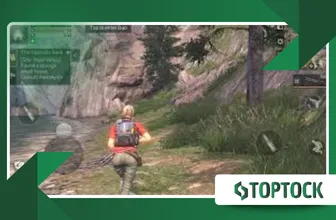
Why LifeAfter Continues to Dominate the Mobile Survival Landscape
LifeAfter remains a dominant force because it understands its audience’s desire for complexity and freedom.
It offers more than just shooting zombies; it delivers a living, breathing ecosystem where crafting fuels combat, and social structures enhance survival.
The ongoing commitment to high-quality, relevant content ensures its continued success in the competitive post-apocalyptic gaming niche.
This sophisticated blend of design elements confirms its status as a benchmark for the genre.
Frequently Asked Questions
Is LifeAfter a free-to-play game?
Yes, LifeAfter is free-to-play on both mobile platforms and PC, offering in-game purchases for cosmetics and convenience items.
Does LifeAfter support cross-platform play?
Players on PC and mobile devices can typically play together, though this can sometimes be limited based on server regions and specific game modes.
What are the primary modes in LifeAfter?
The game primarily features a massive open-world PvE (Player vs. Environment) survival mode, where players cooperate against the infected, alongside optional PvP (Player vs. Player) zones and events.
How often does the game receive major updates?
NetEase releases major seasonal expansions and content updates several times a year, often introducing new maps, story quests, and gear tiers.
++ A Post Apocalyptic Adventure Worth Living For?
Popular Now