Trucos de organización y clasificación de mercancías que ahorran en cada movimiento.
¿Alguna vez te has topado con un obstáculo en un nivel difícil de tu rompecabezas de clasificación favorito y has deseado tener una mejor estrategia?
Anuncios
Dominar Clasificación de productos No se trata solo de tener dedos rápidos, sino de comprender la lógica espacial, predecir la cantidad de productos que se van a despejar del tablero y gestionar con precisión el espacio limitado de los estantes.
Tanto si tu objetivo es liderar las clasificaciones mundiales como si simplemente quieres superar los niveles difíciles sin desperdiciar potenciadores, perfeccionar tu estrategia lo cambia todo.
En esta guía completa, aprenderás las tácticas exactas que utilizan los mejores estrategas de rompecabezas para maximizar el espacio del tablero, ejecutar combinaciones de mayor puntuación y completar los niveles sin esfuerzo.
Conclusiones clave
- Economía de estanterías maestras: Prioriza despejar primero los compartimentos desordenados para mantener espacios libres para movimientos complejos.
- Predecir el flujo del partido: Anticipa dos o tres movimientos para desencadenar reacciones en cadena automáticas.
- Optimiza el uso de los potenciadores: Reserve las mejoras de rendimiento exclusivamente para situaciones de bloqueo, en lugar de para la clasificación rutinaria.
- Aplique la lógica del mundo real: Utilice técnicas de agrupación cognitiva basadas en la investigación sobre la memoria espacial.
¿Qué es la clasificación de productos y cómo funciona la lógica de coincidencia?
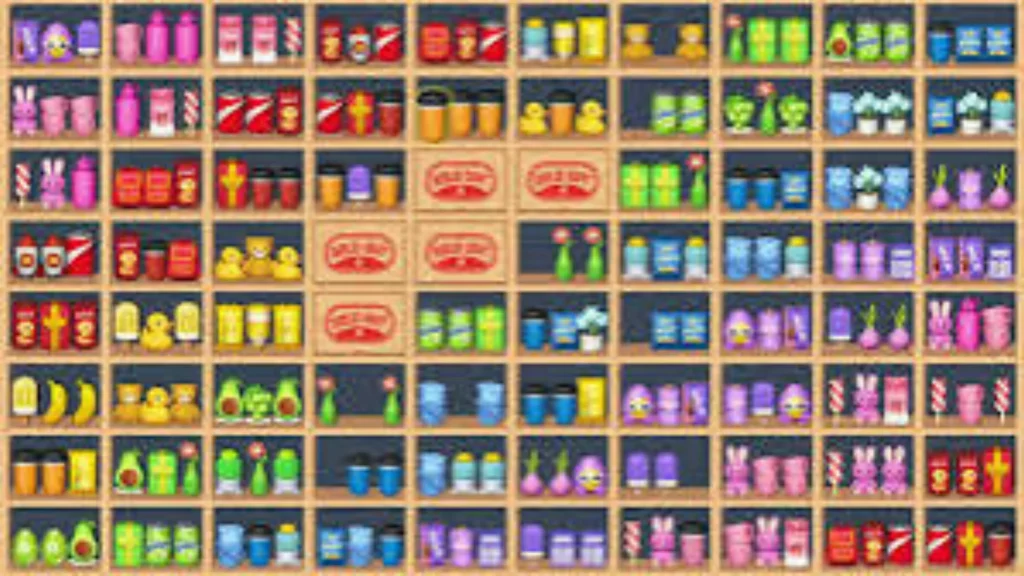
Clasificación de productos Pertenece a la moderna oleada de rompecabezas lógicos de combinar 3 en 3D que simulan la organización física de estanterías.
Anuncios
A diferencia de los juegos clásicos de combinación basados en cuadrículas, donde los elementos caen estrictamente en vertical, este género introduce compartimentos de varias capas con profundidad.
Los jugadores deben tocar y arrastrar los objetos a través de diferentes estantes para alinear tres objetos idénticos en una sola ranura, eliminándolos así del tablero.
El desafío radica en las capas ocultas. Los elementos que se esconden detrás de los objetos principales permanecen bloqueados hasta que se despeja la primera fila.
Esta profundidad espacial exige que los jugadores equilibren las partidas inmediatas a corto plazo con las estrategias de apertura del tablero a largo plazo.
Las investigaciones en psicología cognitiva destacan que jugar a juegos de razonamiento espacial mejora activamente la memoria visoespacial y la eficacia en la resolución de problemas.
Según los resultados de un estudio publicado por el Centro Nacional de Información Biotecnológica, Con el tiempo, participar en acertijos de lógica específicos mejora la capacidad de rotación mental y la velocidad de reconocimiento de patrones.
¿Cómo planificar una mudanza para evitar quedarse sin espacio?
Quedarse sin espacio utilizable en los estantes provoca casi todos los niveles fallidos. Para evitar que las zonas de espera temporales se llenen, los jugadores expertos recurren a una jerarquía estructurada de movimientos:
Escanee para obtener coincidencias triples inmediatas: Retire inmediatamente los conjuntos que estén completamente expuestos para liberar espacio en los estantes.
Revelar capas ocultas: Compartimentos específicos que contienen artículos oscuros o sombreados, ubicados detrás de productos expuestos al frente.
++ Twisted Tangle: Desenreda todos los puzles de cuerdas antes de que la pantalla se llene de caos.
Consolidar categorías similares: Agrupe los artículos individuales que coincidan en los estantes designados para tal fin, en lugar de dispersarlos al azar por todo el tablero.
| Enfoque estratégico | Enfoque para principiantes | Técnica experta avanzada |
| Gestión del espacio | Rellena cualquier espacio disponible. | Mantiene 1 o 2 plazas estrictamente abiertas. |
| Selección de objetivos | Coincide con los elementos más visibles | Objetivos elementos que bloquean la profundidad |
| Implementación de encendido | Utiliza potenciadores en los primeros obstáculos. | Guarda las mejoras para los bloqueos. |
| Movimiento de ritmo | Reacciona movimiento a movimiento | Planes con 2-3 pasos de anticipación |
¿Por qué deberías priorizar los estantes profundos sobre los estantes de superficie?
Las coincidencias superficiales resultan tentadoras porque ofrecen una gratificación instantánea. Sin embargo, centrarse únicamente en los elementos visibles a menudo deja piezas vitales ocultas tras compartimentos cerrados con llave.
Los estantes profundos ocultan artículos importantes que impiden vaciar completamente el tablero. Al retirar los objetos que se encuentran frente a los compartimentos abarrotados, se descubre el inventario oculto más rápidamente.
Revelar estos elementos de fondo con anticipación amplía tus opciones disponibles, reduciendo drásticamente las posibilidades de un bloqueo repentino del tablero.
Leer más: Características ocultas de Triple Match 3D que todo jugador debería conocer
Siempre evalúe una decisión preguntándose: ¿Esta acción desbloquea información nueva o simplemente borra un conjunto visible? Priorice las acciones que expongan capas bloqueadas siempre que sea posible.
¿Qué trucos de organización para clasificar productos ofrecen la mayor tasa de éxito?
1. El método de la repisa de anclaje
Dedica una sección específica del estante exclusivamente a guardar los artículos individuales que piensas combinar a continuación.
Evita mezclar objetos sueltos al azar en este estante principal. Usar este espacio como una línea de clasificación temporal mantendrá los demás estantes libres de desorden.
2. Reacciones en cadena en cascada
Configura partidas donde al completar un conjunto, se obtiene o se revela instantáneamente el elemento exacto necesario para completar un conjunto adyacente. Crear estas secuencias automáticas ahorra tiempo valioso en las fases cronometradas y optimiza el espacio del tablero.
++ Invasión alienígena: recolecta recursos, mejora a tu alienígena y consume todo lo que te rodea.
3. Agrupación por color y forma
Entrena tu vista para identificar rápidamente siluetas distintivas y colores de alto contraste. Los rompecabezas suelen presentar variaciones sutiles en los elementos, diseñadas para engañar a tu procesamiento visual.
Distinguir los sutiles cambios de color evita rápidamente que se coloquen teclas fuera de lugar antes de que arruinen tu diseño.
¿Cómo afecta la profundidad del estante a la prioridad de coincidencia?
Los objetos ocultos en los estantes más profundos crean cuellos de botella silenciosos que rápidamente limitan tus opciones de movimiento.
Si bien combinar los elementos de la superficie expuesta proporciona una gratificación instantánea, deja piezas de fondo de gran valor ocultas.
Los mejores jugadores siempre dan prioridad a los despejes que dejan al descubierto compartimentos cubiertos sobre los simples golpes en la superficie.
Desbloquear esas capas más profundas amplía tu inventario jugable desde el principio, lo que te brinda la flexibilidad necesaria para evitar bloqueos catastróficos del tablero en etapas difíciles.
¿Qué papel juega el ritmo en los niveles cronometrados?
La velocidad importa, pero pulsar frenéticamente a menudo conlleva estantes desordenados y fallos en las tiradas.
Establecer un ritmo de exploración constante permite que el cerebro procese las relaciones espaciales sin realizar colocaciones impulsivas.
Dedica los primeros cinco segundos de una fase cronometrada a planificar tus rutas de despeje de alta prioridad en lugar de apresurarte a encontrar la primera coincidencia visible.
Los movimientos controlados y deliberados producen sistemáticamente tiempos de finalización más rápidos y multiplicadores de combo más altos que la velocidad a ciegas.
¿Cómo puede la ciencia cognitiva mejorar tu rendimiento en la resolución de rompecabezas?
Comprender el procesamiento espacial humano proporciona a los jugadores una clara ventaja en las fases de puzles de alta dificultad.
Utilizar principios como la segmentación —agrupar fragmentos individuales de información en unidades visuales manejables— permite que el cerebro escanee instantáneamente configuraciones complejas de estanterías.
Investigación educativa de Universidad de Harvard
Esto demuestra que las habilidades de función ejecutiva, incluyendo la memoria de trabajo y la flexibilidad cognitiva, rigen directamente la eficacia con la que las personas gestionan información visual compleja bajo presión.
La aplicación de marcos mentales estructurados reduce la carga cognitiva, lo que permite resolver rompecabezas complejos con mucha mayor precisión.
Preguntas frecuentes
¿Qué debo hacer cuando todos los estantes aparecen bloqueados?
Primero, identifica cualquier compartimento que contenga dos artículos idénticos. Concéntrate en encontrar y mover la tercera pieza que coincida con cada espacio libre restante para despejar el compartimento de inmediato y recuperar espacio valioso en el estante.
¿Debo guardar los potenciadores para niveles más altos o usarlos libremente?
Reserva tus potenciadores de barajado y vacío exclusivamente para situaciones en las que no queden movimientos lógicos.
Confiar en la estrategia principal en lugar de en las herramientas desarrolla habilidades de reconocimiento espacial más sólidas para etapas posteriores y más difíciles.
¿Por qué algunos niveles parecen imposibles sin comprar tiempo extra?
Los niveles de dificultad altos suelen presentar combinaciones engañosas diseñadas para ocupar tu espacio libre rápidamente. Reevaluar tus cinco movimientos iniciales generalmente revela una estrategia oculta que evita por completo el bloqueo del tablero.
++ Guía para principiantes del desafío de clasificación de objetos: consejos, niveles y estrategias
++ Cómo dominar el rompecabezas de bienes: estrategias esenciales
Popular ahora